Sustainable Development Goals Progress 2025
The concept of Sustainable Development Goals Progress 2025 captures a visionary perspective on where humanity stands today and where it aims to be by mid-century. While the United Nations originally set 2030 as the target year for achieving the 17 Sustainable Development Goals (SDGs), many policymakers, researchers, and futurists have begun projecting progress beyond that timeline. The year Sustainable Development Goals Progress 2025—whether interpreted as a typographical extension of 2050 or as a conceptual long-term horizon—symbolizes a future benchmark for evaluating global sustainability, technological transformation, and human development.
This extensive article examines the historical context of the Sustainable Development Goals Progress 2025, global progress to date, projected pathways toward 2050 and beyond, and the long-term challenges and opportunities associated with sustainable development. It also analyzes how nations, institutions, and industries can accelerate progress, ensuring that sustainability becomes an integral part of global development.
Understanding the Sustainable Development Goals (SDGs)
The Sustainable Development Goals Progress 2025 were adopted by all United Nations Member States in 2015 as part of the 2030 Agenda for Sustainable Development Goals Progress 2025. They represent a comprehensive blueprint for addressing poverty, inequality, climate change, environmental degradation, peace, and justice.
The 17 SDGs at a Glance
- No Poverty
- Zero Hunger
- Good Health and Well-being
- Quality Education
- Gender Equality
- Clean Water and Sanitation
- Affordable and Clean Energy
- Decent Work and Economic Growth
- Industry, Innovation and Infrastructure
- Reduced Inequalities
- Sustainable Cities and Communities
- Responsible Consumption and Production
- Climate Action
- Life Below Water
- Life on Land
- Peace, Justice and Strong Institutions
- Partnerships for the Goals
Each goal has specific targets and indicators designed to measure progress globally and within individual countries.
Why Look Toward “Sustainable Development Goals Progress 2025”?
Beyond 2030—The Need for Long-Term Projections
As humanity approaches the 2030 deadline, it has become increasingly clear that while progress has been made, the world is not on track to meet all targets. Factors like:
- Climate-related disasters Sustainable Development Goals Progress 2025
- Geopolitical conflicts Sustainable Development Goals Progress 2025
- Uneven economic development Sustainable Development Goals Progress 2025
- Technological disruptions Sustainable Development Goals Progress 2025
- Pandemics and public health crises Sustainable Development Goals Progress 2025
have both accelerated and hindered progress. Therefore, 2025 serves as a symbolic long-range vantage point to assess:
This extensive article examines the historical context of the Sustainable Development Goals Progress 2025, global progress to date, projected pathways toward 2050 and beyond, and the long-term challenges and opportunities associated with sustainable development. It also analyzes how nations, institutions, and industries can accelerate progress, ensuring that sustainability becomes an integral part of global development.
- Potential advancement beyond the 2030 framework Sustainable Development Goals Progress 2025
- Long-term sustainability pathways Sustainable Development Goals Progress 2025
- Intergenerational solutions
- Technological evolution and environmental regeneration
The 2050 Benchmark and Its Significance
Many international sustainability strategies—such as carbon neutrality pledges, biodiversity recovery plans, and circular economy transitions—use 2050 as a milestone. When discussing Sustainable Development Goals Progress 2025, it is helpful to consider:
- Net-zero carbon goals
- Renewable energy dominance
- Sustainable agriculture and food systems
- Advanced healthcare access
- Digital inclusion
- Global cooperation frameworks
- Many international sustainability strategies—such as carbon neutrality pledges, biodiversity recovery plans, and circular economy transitions—use 2050 as a milestone. When discussing Sustainable Development Goals Progress 2025, it is helpful to consider:
Thus, the term “2025” becomes a metaphorical representation of future-oriented SDG progress.
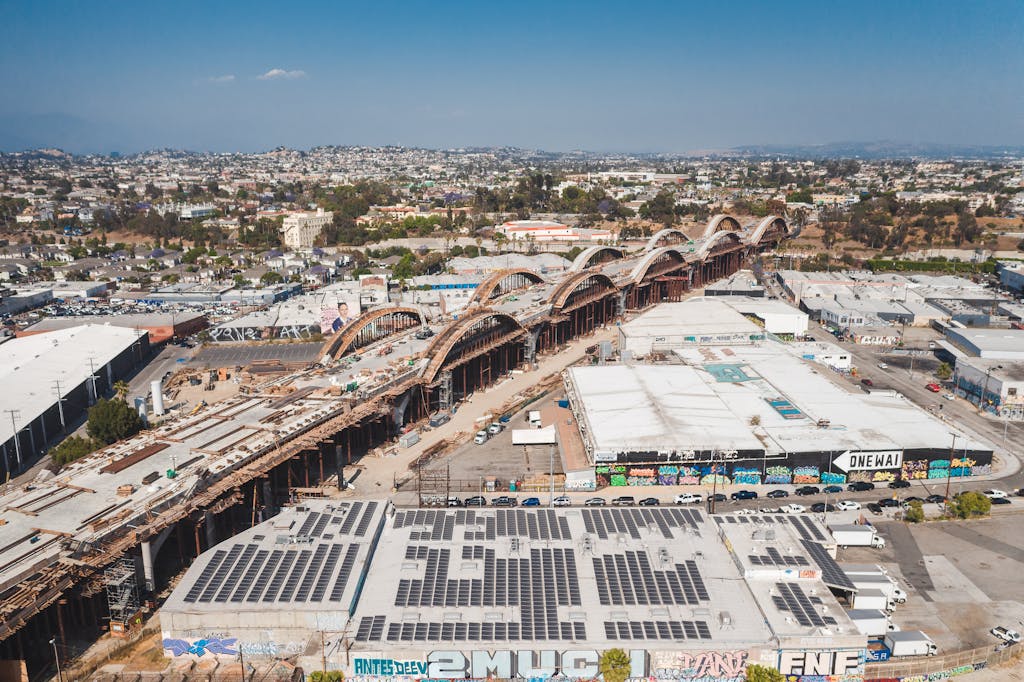
Current Progress Toward the SDGs (2024–2030)
Areas of Significant Improvement
Several SDGs have shown measurable improvement globally:
1. Renewable Energy Expansion (SDG 7)
The cost of solar and wind power has fallen dramatically, making clean energy more accessible. Many countries have diversified their energy portfolios.
2. Digital Education and Access (SDG 4)
The digital revolution has increased remote learning, e-learning platforms, and global knowledge-sharing initiatives.
3. Poverty Reduction Progress (SDG 1)
Although disparities exist, extreme poverty levels have decreased significantly compared to the early 2000s.
4. Technological Innovation (SDG 9)
AI, robotics, and advanced manufacturing have transformed industries and created new economic opportunities.
Areas Lagging Behind
Other goals face significant challenges:
1. Climate Action Gaps (SDG 13)
Emissions continue to rise in many regions, and global temperatures are projected to exceed 1.5°C without dramatic intervention.
2. Biodiversity Loss (SDG 14 & 15)
Deforestation, ocean pollution, and habitat destruction remain critical issues.
3. Inequality (SDG 10)
The wealth gap, gender disparities, and digital divides continue to grow.
4. Peace and Political Stability (SDG 16)
Conflicts, corruption, and instability undermine sustainable development.
Projected Sustainable Development Goals Progress by 2050
Looking forward to 2050—and symbolically to 2025—global sustainability projections highlight significant potential transformations.
Climate Action and Environmental Restoration
By 2050, many nations aim to:
- Reach net-zero emissions
- Expand renewable energy to over 70% of total energy consumption
- Restore forests and oceans through rewilding and conservation initiatives
- Reduce global waste through circular economy models
These transformations form the backbone of long-term sustainability.
Technological Advancements Supporting SDG Progress
AI, biotechnology, and renewable technologies will play major roles.
1. AI for Sustainable Development
Artificial intelligence is expected to:
- Improve resource management
- Predict environmental risks
- Enhance education access
- Strengthen healthcare infrastructure
2. Smart Cities and Infrastructure
By 2050, cities will likely include:
- Autonomous transport systems
- Energy-efficient buildings
- Digital governance platforms
- Green urban ecosystems
3. Biotech and Sustainable Agriculture
Advances may include:
- Vertical farming
- Lab-grown foods
- Climate-resilient crops
Social and Economic Shifts
1. A More Inclusive Global Economy
Fairer trade, diverse workforce participation, and social protection systems could reduce inequality.
2. Healthcare for All
Universal healthcare may become a global norm, supported by telemedicine and biotechnology.
3. Education Transformation
AI-driven tutors, global digital learning hubs, and skill-oriented education systems may replace outdated models.

Key Drivers of Sustainable Development Goals Progress 2025
Policy and Governance
Strong institutions, transparent governance, and international cooperation will dictate the pace of SDG progress.
Technology and Innovation
Technological shifts are essential for climate action, healthcare, education, and sustainable industry development.
Global Economic Systems
A shift toward circular economy models will reduce:
- Overconsumption
- Waste
- Environmental damage
Public Participation and Behavioral Change
Consumer choices, lifestyle adjustments, and social responsibility movements greatly influence sustainable outcomes.
Barriers to Achieving SDG Progress by 2050 and Beyond
Climate and Environmental Challenges
- Increasing extreme weather events
- Rising sea levels
- Biodiversity collapse
Political and Institutional Challenges
Conflicts, corruption, and weak institutions hinder global progress.
Economic Barriers
Debt, unemployment, and inequality can slow sustainability transformations.
Technological and Digital Divides
Unequal access to technology threatens equitable progress across regions.
How Nations Can Accelerate Sustainable Development Goals Progress 2025
Strengthening Global Cooperation
Nations must enhance partnerships, share technology, and collaborate on climate initiatives.
Investing in Sustainability
Key investment areas include:
- Renewable energy
- Healthcare systems
- Education innovation
- Green infrastructure
Embracing Circular Economy Models
Recycling, upcycling, and sustainable manufacturing reduce environmental impact.
Supporting Innovation and Research
Funding for R&D accelerates breakthroughs in:
- Clean energy
- Biotech
- Sustainable agriculture
- Environmental restoration
The Role of Businesses and Industry in Advancing SDG Progress
Corporate Sustainability Strategies
Companies adopting ESG (Environmental, Social, Governance) frameworks significantly impact SDG progress.
Green Technology Adoption
Industries must reduce carbon footprints through:
- Energy efficiency
- Low-emission manufacturing
- Circular supply chains
Workforce Development
Businesses help by creating equitable employment opportunities and promoting diversity.
Community and Individual Contributions to the SDGs
Even small choices influence long-term sustainability. Examples include:
- Reducing waste
- Supporting eco-friendly businesses
- Using renewable energy options when possible
- Advocating for climate and social justice policies
Future Scenarios for Sustainable Development Goals Progress 2025
Best-Case Scenario
- Climate neutrality achieved globally
- Poverty rates near zero
- Universal healthcare and education
- Healthy ecosystems and biodiversity
- Technological innovations used ethically
Moderate Scenario
- Partial achievement of goals
- Some improvement in emissions reduction
- Continued inequality but at reduced levels
Worst-Case Scenario
- Severe climate impacts
- Widening inequality
- Resource scarcity
- Economic instability
FAQs on Sustainable Development Goals Progress 2025
1. What does “Sustainable Development Goals Progress 2025” mean?
It represents a futuristic outlook on SDG advancement beyond 2030, often aligning with long-term sustainability targets like those set for 2050.
2. Why extend SDG analysis to 2050 and beyond?
Because many goals—especially climate action and biodiversity restoration—require decades of consistent effort.
3. Are we on track to meet the SDGs by 2030?
Progress is uneven; some targets are on track, but many, especially those related to climate and inequality, are lagging.
4. What role does technology play in future SDG progress?
Technology is central to advancements in healthcare, education, climate monitoring, renewable energy, and industry innovation.
5. How can individuals contribute to SDG progress?
Through sustainable lifestyle choices, advocacy, supporting green businesses, and participating in community initiatives.
Conclusion
The idea of Sustainable Development Goals Progress 2025 symbolizes a long-term, visionary approach to global sustainability. While the official SDG timeline focuses on 2030, achieving true global sustainability requires looking beyond short-term milestones. By envisioning progress toward 2050 and even further, the world gains a clearer understanding of the pathways necessary to create a just, equitable, and thriving planet.
Achieving sustainable development demands coordinated action from governments, businesses, communities, and individuals. Through technological innovation, strong institutions, environmental stewardship, and economic transformation, humanity can create a future where the SDGs are not merely goals but lived realities.