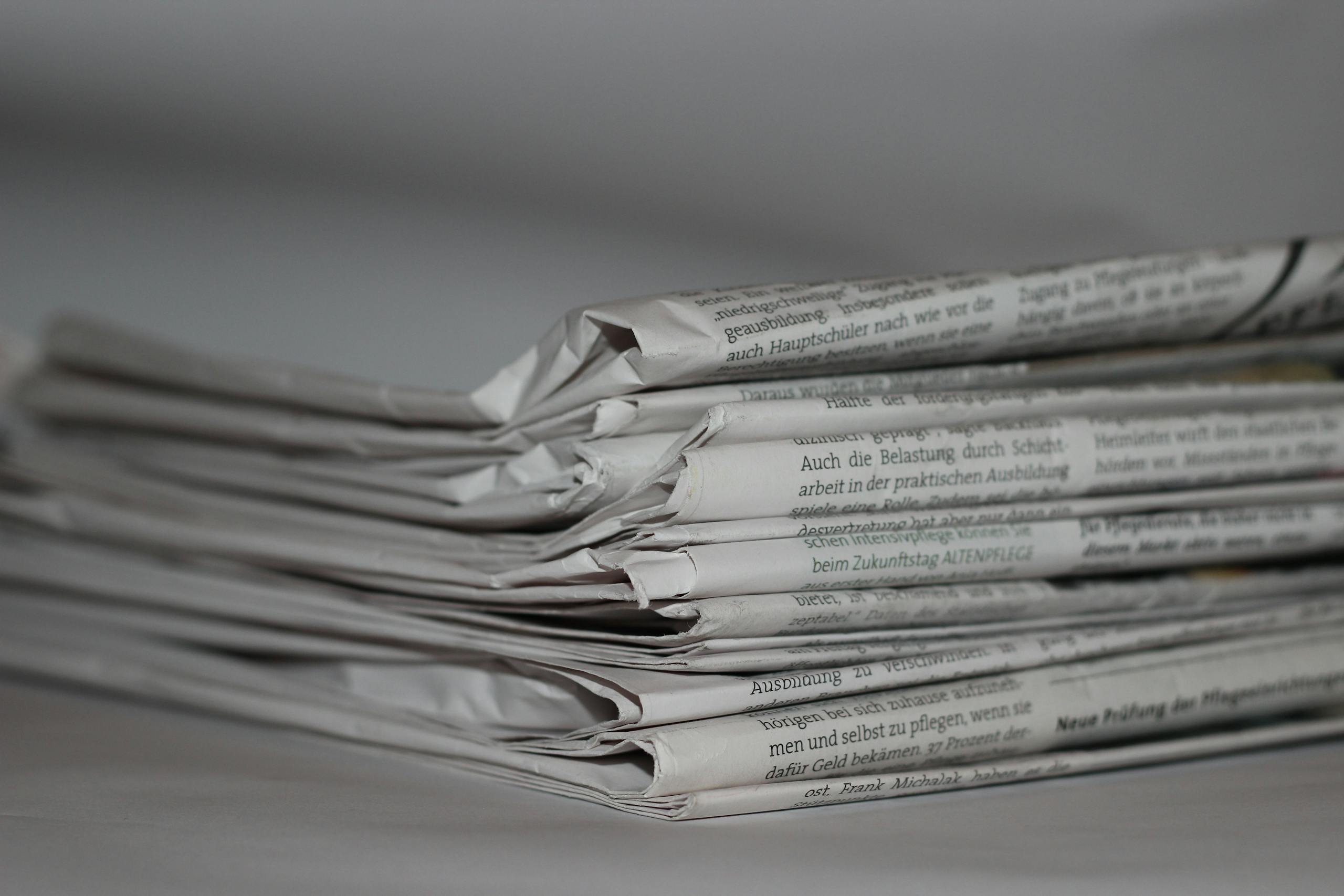
Press Release: The Complete, In-Depth Guide to Crafting, Publishing, and Maximizing Impact 2026
A press release is one of the most enduring and powerful tools in modern communication. Despite the rise of social media, instant messaging, and video platforms, the press release remains a cornerstone of public relations, corporate communication, and brand storytelling. From startups announcing product launches to governments sharing policy updates, a well-written press release shapes public perception, builds credibility, and drives meaningful attention.
This comprehensive article explores the concept of a press release from every angle. You will learn its history, purpose, structure, writing techniques, distribution strategies, common mistakes, and future trends. By the end, you will understand how to create a press release that is not only informative but also persuasive, professional, and impactful.
Understanding What a Release Is
A press release is an official written statement issued to media outlets, journalists, and the public. Its primary purpose is to announce something newsworthy in a clear, factual, and professional manner. Unlike advertisements, a press release focuses on information rather than direct promotion. It is designed to inform, educate, and invite coverage rather than sell aggressively.
Press releases are used by companies, non-profits, educational institutions, celebrities, sports organizations, and government bodies. They act as a bridge between an organization and the media, offering journalists ready-to-use information that can be transformed into news stories.
The Historical Evolution of the Press Release
The concept of the press release dates back to the early 20th century. It gained recognition when organizations realized the importance of controlling narratives during crises and major announcements. Over time, press releases evolved from simple printed statements to digital documents distributed instantly across the globe.
In the past, press releases were mailed or faxed to newsrooms. Today, they are shared via email, online newswires, company websites, and social media platforms. Despite these changes, the core principles remain the same: accuracy, clarity, and newsworthiness.
Why a Release Still Matters Today
Some people believe press releases are outdated, but this could not be further from the truth. A press release continues to play a critical role for several reasons:
- Credibility – Media coverage earned through a press release is often seen as more trustworthy than paid advertising.
- Visibility – Press releases help organizations reach journalists, bloggers, and influencers who can amplify the message.
- Search Engine Value – Online press can improve brand visibility and digital presence when optimized correctly.
- Control of Message – A release allows organizations to present information accurately and consistently.
- Crisis Communication – During challenging situations, a press release provides clarity and reassurance.
Core Objectives of a Release
Every release should have a clear objective. Common goals include:
- Announcing a new product or service
- Sharing company milestones or achievements
- Promoting events, conferences, or launches
- Communicating partnerships or mergers
- Addressing crises or public concerns
- Highlighting awards, research, or reports
Understanding the objective helps shape the tone, structure, and distribution strategy of the release.

Types of Releases
A press can take many forms depending on the purpose. Some of the most common types include:
Product Launch Release
Used to introduce a new product or service, focusing on features, benefits, and availability.
Event Press
Announces upcoming events such as seminars, exhibitions, or conferences, providing dates, locations, and key highlights.
Corporate News Press
Shares important company updates like expansions, leadership changes, or financial milestones.
Crisis Management Press
Addresses unexpected situations, clarifies facts, and reassures stakeholders.
Partnership or Merger Press
Informs the public about collaborations, mergers, or acquisitions, explaining their significance.
Research or Report Release
Summarizes key findings of studies, surveys, or white papers to attract media interest.
Essential Elements of an Effective Press
A professional press follows a standard structure that journalists recognize and trust.
Headline
The headline is the most critical part of a press release. It should be clear, concise, and newsworthy. A strong headline immediately tells the reader why the announcement matters.
Subheadline
The subheadline supports the headline by adding context or emphasizing a key benefit.
Dateline
The dateline includes the city and date of the release, establishing timeliness and relevance.
Introduction Paragraph
The opening paragraph answers the essential questions: who, what, when, where, why, and how. Journalists often decide whether to continue reading based on this section.
Body Content
The body expands on the announcement, providing details, background information, statistics, and explanations. This section should be informative and easy to scan.
Quotes
Quotes add a human element and credibility. They often come from executives, spokespersons, or experts and help personalize the story.
Boilerplate
The boilerplate is a short paragraph about the organization issuing the press . It provides background and context.
Contact Information
Clear contact details allow journalists to follow up for interviews or additional information.
How to Write a Compelling Press
Writing a press release requires a balance between journalistic style and brand messaging.
Focus on Newsworthiness
Ask yourself why anyone would care about this announcement. Highlight what makes it timely, relevant, or impactful.
Use Clear and Simple Language
Avoid jargon and overly complex sentences. A release should be understandable to a broad audience.
Write in the Third Person
Professional press releases are written in the third person to maintain objectivity and credibility.
Be Concise but Complete
While details matter, unnecessary fluff reduces impact. Every sentence should add value.
Include Data and Facts
Statistics, figures, and verified facts strengthen your press and increase media trust.
Common Mistakes to Avoid in a Release
Even experienced writers can make mistakes. Avoid these common pitfalls:
- Writing promotional or sales-heavy content
- Using exaggerated or misleading claims
- Ignoring proper formatting
- Sending irrelevant releases to journalists
- Failing to proofread for grammar and accuracy
A press release should inform, not advertise.
Press Release Distribution Strategies
Writing a great press release is only half the job. Distribution determines its reach and effectiveness.

Direct Media Outreach
Sending press directly to targeted journalists increases the chances of coverage.
Online Newswires
Newswire services distribute releases to thousands of media outlets and websites.
Company Website
Publishing releases on your website creates a permanent, accessible archive.
Social Media Sharing
Sharing press releases on social platforms extends reach and encourages engagement.
Email Newsletters
Press can be repurposed for subscribers and stakeholders.
Measuring the Success of a Press Release
Success is not just about publication. Key performance indicators include:
- Media pickups and mentions
- Website traffic and referrals
- Social media engagement
- Brand awareness and sentiment
- Lead generation or inquiries
Analyzing results helps refine future release strategies.
The Role of SEO in a Modern Press Release
Search engine optimization has transformed how press releases are written and distributed. Strategic keyword usage, relevant links, and optimized headlines help press releases appear in search results. However, SEO should never compromise readability or authenticity.
Ethical Standards and Accuracy
A press release must always be truthful and transparent. Misleading information can damage credibility and lead to legal consequences. Ethical communication builds long-term trust with media and audiences.
The Future of the Pres
The release continues to evolve with technology. Multimedia elements like images, videos, and infographics are becoming standard. Interactive and data-driven press releases are gaining popularity. Artificial intelligence and analytics are also influencing how releases are written, distributed, and evaluated.
Despite these changes, the core purpose remains unchanged: to communicate news clearly and responsibly.
Conclusion: The Lasting Power of the Press
A release is more than a document; it is a strategic communication tool that connects organizations with the world. When written thoughtfully and distributed effectively, a press release can build credibility, attract attention, and shape narratives.
Whether you are a business owner, marketer, journalist, or student, understanding how a press release works is an essential skill. In an age of constant information flow, the release stands as a structured, reliable, and influential method of sharing stories that matter.
By mastering the art and science of the press release, you ensure that your message is not only heard but also respecte.
also read more china intellectual property news today 2025
10 Frequently Asked Questions About Press Releases
- What is a press release?
A press is an official statement issued to members of the news media to provide new information, make an announcement, or highlight a newsworthy event, product, service, or development. It is written in a structured format to help journalists quickly understand and potentially cover the story. - When should I issue a press release?
Issue a press release for newsworthy events such as product launches, company milestones, partnerships, awards, executive hires, events, rebrandings, or significant achievements. It should provide timely, relevant value to the audience and media—avoid using it for routine updates or overly promotional content. - What makes a story newsworthy for a press release?
Newsworthiness typically involves timeliness, relevance, impact (local or broader), human interest, or uniqueness. Journalists evaluate based on whether it affects readers, offers fresh information, or has proximity to their audience. - How do I structure a press
Follow the inverted pyramid: Start with a compelling headline, subheadline, dateline (city and date), lead paragraph answering who, what, when, where, why, and how, followed by supporting details, quotes, boilerplate (company description), and end with “###” or “-30-“. - What is the ideal length for a release?
Keep it concise—typically 400-600 words, or one to two pages. Journalists prefer brevity; focus on key facts without fluff. - Should I include quotes in a release?
Yes, include 1-2 relevant quotes from key stakeholders (e.g., CEO or expert) to add credibility, human interest, and a personal voice. Avoid self-promotional or generic quotes. - How do I distribute a press release?
Options include emailing journalists directly, using newswire services (e.g., for wider reach to media outlets and search engines), posting on your website, or sharing via social media. Target relevant media lists for better results. - When is the best time to send a release?
Early weekdays (Tuesday-Thursday mornings) are often ideal to avoid weekends or Monday overloads. Consider time zones and avoid major news days unless your story ties in. - Can press releases help with SEO?
Yes, when distributed via newswires, they can generate backlinks, increase online visibility, and appear in search results. Include natural keywords, links (sparingly), and multimedia for better pickup. - What common mistakes should I avoid in a release?
Avoid overly promotional language, poor formatting, weak headlines, lack of newsworthiness, spelling errors, too many links, or ignoring the target audience. Always proofread and focus on facts over hype.