
Civil Society Voices: The Growing Power of People in Shaping Modern Societies 2026
Civil society has always been a pillar of human progress, but in the modern era, its significance has expanded far beyond traditional activism. Today, Civil Society Voices are shaping public policy, redefining governance, strengthening democracies, and inspiring global social movements. These voices come from ordinary citizens, local communities, nonprofits, advocacy groups, researchers, educators, humanitarian networks, and digital activists. Together, they represent an essential force that stands between citizens and power structures, ensuring accountability, justice, and inclusive development.
This comprehensive explores the evolution, roles, challenges, and future of Civil Society Voices in a rapidly changing world. It also highlights how these voices shape everything from climate justice to digital rights, women’s empowerment to anti-corruption initiatives, community development to global humanitarian action.
1. Understanding Civil Society and Its Core Meaning
Civil society refers to the sphere of voluntary collective action where individuals and organizations come together to pursue shared interests, values, or goals. Unlike government institutions or private businesses, civil society is people-driven rather than profit-driven.
The term Civil Society Voices represents the diverse expressions, demands, concerns, and participation of communities working to influence decision-making. These voices inform governments, challenge injustices, propose reforms, and mobilize public opinion on urgent issues.
Civil society is made up of:
- Community groups
- Nonprofits and NGOs
- Human rights organizations
- Youth networks
- Faith-based groups
- Academic institutions
- Social movements
- Charitable foundations
- Digital activists and bloggers
- Environmental and women’s rights groups
What unites all these actors is their shared commitment to the public good.
2. How Civil Society Voices Shape Democracy
Democracy cannot survive without public participation. Civil Society Voices strengthen democracy by ensuring transparency, accountability, and citizen engagement.
a. Holding Governments Accountable
Civil society monitors elections, tracks public budgets, exposes corruption, and demands transparency. Organizations specializing in governance watchdog functions become the eyes and ears of society.
b. Encouraging Political Participation
Through voter education campaigns, awareness drives, public debates, and advocacy, Civil Society Voices ensure that people understand their rights and responsibilities.
c. Protecting Human Rights
Human rights defenders, lawyers, and activists raise concerns about abuses, discrimination, torture, forced disappearances, and violations of fundamental freedoms.
d. Promoting Inclusion
Civil society highlights the needs of groups often ignored by mainstream politics—women, youth, minorities, the disabled, refugees, and marginalized communities.
By doing so, Civil Society Voices make governance more representative and humane.
3. Civil Society Voices in Social Development
From education to healthcare, poverty reduction to rural development, civil society organizations play an essential role in improving living standards.
a. Enhancing Education
NGOs run literacy centers, support schools, train teachers, and provide scholarships. They advocate for curriculum reforms and promote equal access to learning.
b. Strengthening Healthcare
Civil society provides medical camps, vaccination programs, maternal health support, disease awareness campaigns, and emergency relief during epidemics.
c. Promoting Social Justice
Civil society addresses issues like:
- Child labor
- Forced marriage
- Domestic violence
- Discrimination based on caste, race, ethnicity, or religion
These initiatives safeguard dignity and equal opportunity for all.
d. Empowering Women
Women’s organizations raise awareness on rights, promote leadership, fight violence, and advocate for economic empowerment. These Civil Society Voices push nations toward gender equality.
4. Economic Contributions of Civil Society
Civil society is not only social—it also supports economic stability and growth.
a. Skill Development and Employment
NGOs run training centers for technical skills, entrepreneurship, digital literacy, and vocational programs.
b. Microfinance and Self-Help Groups
Civil society helps low-income families, particularly women, access microloans to start small businesses.
c. Supporting Sustainable Livelihoods
Environmental groups promote eco-friendly agriculture, climate-resistant farming, and sustainable resource management.
d. Fighting Economic Inequality
Civil Society Voices advocate for fair wages, labor rights, safe workplaces, and protections for informal workers.
Through these efforts, civil society strengthens local economies and improves quality of life.
5. Civil Society Voices in Technology and Digital Rights
Digital transformation has opened new spaces for activism, communication, and public debate.
a. Online Mobilization
Hashtag movements, social media campaigns, online petitions, and digital forums amplify Civil Society Voices across borders.
Examples include global climate strikes, awareness campaigns against gender violence, and movements demanding accountability in governance.
b. Fighting Misinformation
Civil society fact-checking initiatives challenge false information and protect public discourse from manipulation.
c. Advocating for Digital Rights
The digital age brings new challenges:
- Privacy violations
- Cyber surveillance
- Internet shutdowns
- Online harassment
- Digital inequality
Civil Society Voices defend freedom of expression, protect online rights, and promote access to information.
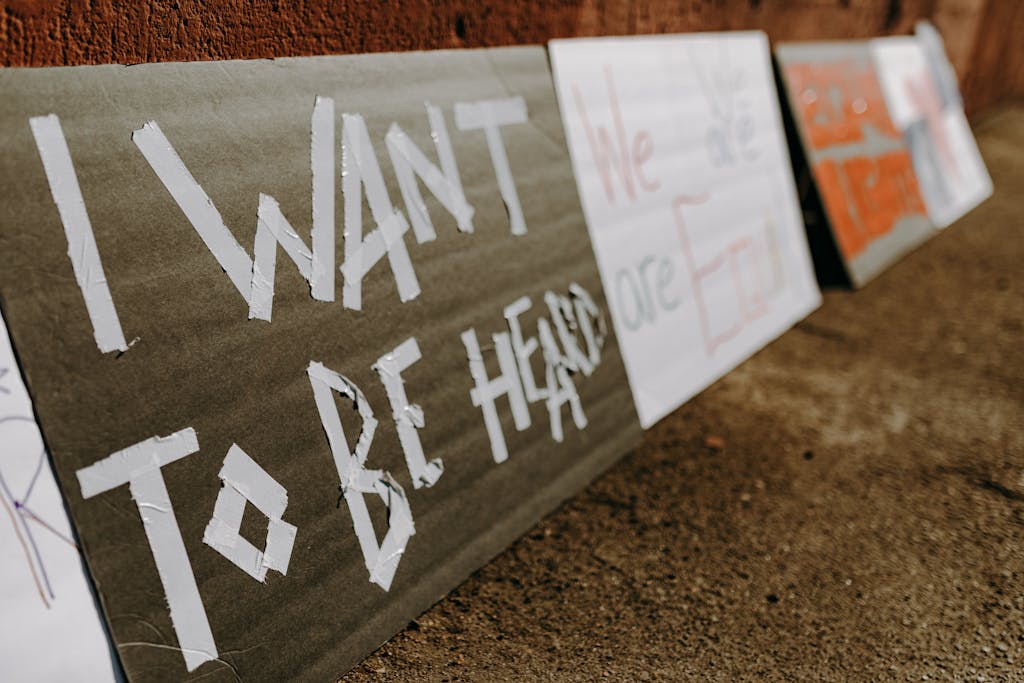
6. Civil Society Voices in Environmental Protection
Climate change is one of the world’s biggest threats, and civil society is at the frontlines of environmental justice.
a. Climate Activism
Environmental groups campaign for:
- Renewable energy
- Reduced carbon emissions
- Reforestation
- Conservation of natural resources
- Pollution control
b. Community-Based Conservation
Local communities protect forests, wildlife, water bodies, and agricultural land.
c. Anti-Pollution Campaigns
Civil society raises awareness about air pollution, water contamination, industrial waste, and plastic pollution.
d. Disaster Response
Organizations provide urgent relief during floods, earthquakes, storms, and other climate-induced disasters.
Civil Society Voices push governments and industries to embrace sustainability.
7. Role of Civil Society in Peacebuilding and Conflict Resolution
In conflict-affected areas, civil society plays a crucial role in reconciliation and peace efforts.
a. Dialogue Facilitation
Organizations bring together communities, political groups, and stakeholders to promote peace talks.
b. Countering Extremism
Civil society builds tolerance and harmony through:
- Community engagement
- Youth empowerment
- Interfaith dialogues
- Cultural programs
c. Humanitarian Relief
From refugee support to food distribution, civil society provides life-saving assistance during crises.
d. Rehabilitation and Trauma Healing
Counseling, community rebuilding, and reintegration programs help societies recover from conflict.
Civil Society Voices are essential in preventing violence and building lasting peace.
8. Challenges Facing Civil Society Voices
Despite their significance, civil society actors face numerous obstacles.
a. Shrinking Civic Space
In many countries, governments restrict:
- Freedom of expression
- NGO registration
- Foreign funding
- Public protests
- Access to information
These actions limit the ability of Civil Society Voices to operate freely.
b. Financial Constraints
Many organizations struggle to sustain operations due to unpredictable funding, especially local grassroots groups.
c. Digital Security Threats
Cyberattacks, surveillance, online harassment, and censorship undermine civil society activism.
d. Public Distrust
Misinformation and propaganda campaigns sometimes portray NGOs as foreign-controlled, creating barriers to their work.
e. Safety Risks
Human rights defenders often face intimidation, violence, imprisonment, or forced disappearances.
These challenges highlight the need for stronger protections for Civil Society Voices worldwide.
9. Success Stories: Power of Civil Society Voices in Action
Throughout history, civil society has been at the core of major social transformations.
a. Anti-Apartheid Movement (South Africa)
Civil society organizations and activists united people globally to fight racial segregation and injustice.
b. Global Environmental Movements
Youth-led groups like Fridays for Future have pushed governments to adopt stronger climate policies.
c. Women’s Rights Movements
Civil society efforts have contributed to laws against domestic violence, gender discrimination, and workplace harassment.
d. Community Health Campaigns
Civil society played a critical role in vaccination drives, maternal health services, and pandemic responses worldwide.
These efforts demonstrate how powerful Civil Society Voices can be when communities unite for a cause.
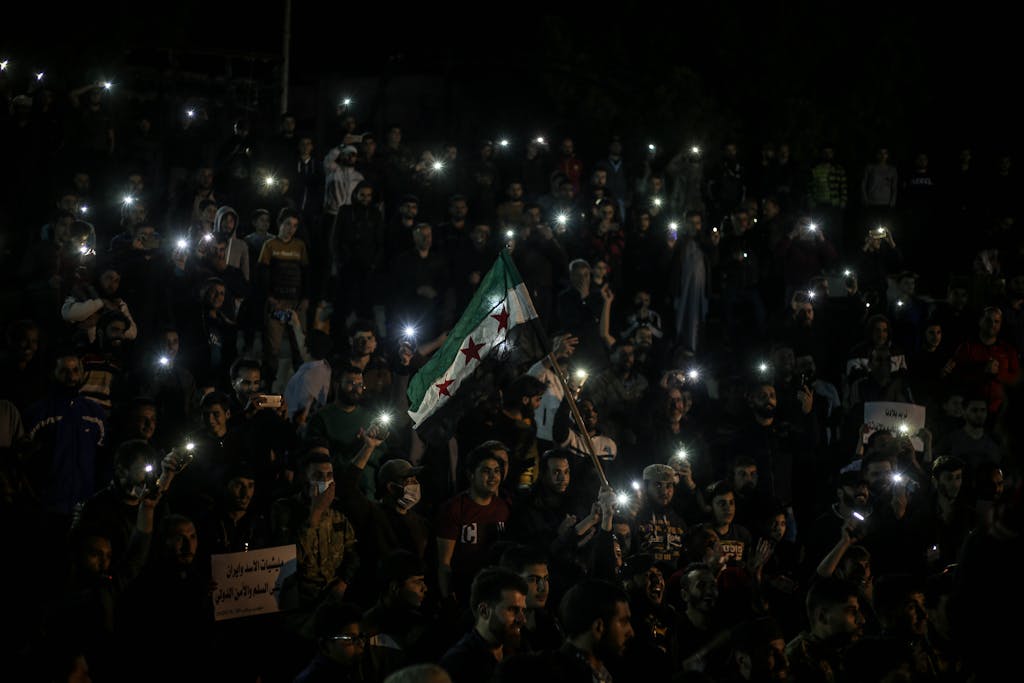
10. The Future of Civil Society Voices
As the world changes, civil society continues to evolve.
a. Rise of Digital Activism
More activism is moving online, allowing rapid mobilization and global reach.
b. Youth Leadership
Young people are increasingly shaping civil society movements related to climate justice, gender equality, technology, and democracy.
c. Collaboration with Businesses and Governments
Cross-sector partnerships are becoming essential in addressing global challenges like poverty, climate change, and health crises.
d. Focus on Evidence-Based Advocacy
Civil society now uses research, data analytics, and policy expertise to influence decision-making more effectively.
e. Global Solidarity
Civil society movements are forming global networks to support human rights, environmental protection, and social justice.
The future will likely see stronger, more organized, and more innovative Civil Society Voices leading change.
Conclusion: Why Civil Society Voices Matter More Than Ever
Civil society is the heartbeat of any nation. Its voices keep democracies alive, protect human rights, support economic development, promote environmental sustainability, and build peaceful communities. In a world facing inequality, conflict, climate change, and digital challenges, Civil Society Voices are essential for safeguarding justice, freedom, and human dignity.
These voices remind us that real power lies not only in governments or institutions, but in the hands of ordinary citizens who stand for truth, fairness, and humanity. As civil society continues to grow, its influence will shape a more inclusive, sustainable, and democratic future for generations to come.
FAQs
- What are Civil Society Voices?
Civil Society Voices refer to the independent, diverse, and collective opinions, advocacy, and actions of non-governmental organizations, community groups, activists, and citizens working to influence policy, promote human rights, and drive social change. - Why are Civil Society Voices important in a democracy?
Civil Society Voices act as a watchdog, hold governments accountable, amplify marginalized perspectives, and ensure that policy-making reflects the needs and aspirations of all citizens, not just those in power. - How can I support or amplify Civil Society Voices?
You can support them by donating to credible NGOs, volunteering, sharing their messages on social media, signing petitions, attending public consultations, or joining grassroots movements. - Are Civil Society Voices the same as NGOs?
No. While NGOs are a major part of civil society, Civil Society Voices also include informal community groups, independent media, trade unions, faith-based organizations, academics, and individual activists. - Why are Civil Society Voices sometimes restricted or silenced?
Authoritarian regimes or powerful interest groups may view strong Civil Society Voices as a threat to their control, leading to laws that limit funding, registration, free speech, or peaceful assembly. - How do Civil Society Voices influence policy and laws?
They conduct research, run public campaigns, engage in advocacy and lobbying, organize protests, submit shadow reports to international bodies, and participate in public consultations to shape legislation and government decisions. - Can Civil Society Voices remain independent while receiving foreign funding?
Yes, as long as organizations maintain transparency, adhere to local laws, and prioritize the interests of the communities they serve rather than foreign agendas. - What is the difference between Civil Society Voices and political opposition parties?
Civil Society Voices are non-partisan by nature and focus on issues rather than seeking political power, whereas opposition parties aim to win elections and govern. - How can we protect Civil Society Voices in shrinking civic spaces?
Protection requires strong legal frameworks for freedom of association and expression, international solidarity, digital security training for activists, and public awareness campaigns against stigmatization. - Where can I find reliable Civil Society Voices on specific issues (e.g., environment, human rights, gender equality)?
Platforms like CIVICUS Monitor, Front Line Defenders, Amnesty International, and regional networks (such as Asian Forum for Human Rights and Development or Arab NGO Network) regularly highlight trusted Civil Society Voices worldwide.