
Well Health Organic Ayurveda: A Complete Guide to Natural Healing and Balanced Living 2026
25 FAQs on Well Health Organic Ayurveda
Here is a comprehensive list of 25 frequently asked questions about Ayurveda, inspired by the principles and tips from Well Health Organic Ayurveda resources. These cover basics, daily practices, remedies, and more, focusing on natural, organic wellness for mind, body, and spirit.
- What is Ayurveda?
Ayurveda is an ancient Indian system of medicine, often called the “Science of Life,” that emphasizes balancing the body, mind, and spirit using natural remedies, diet, and lifestyle practices to prevent and treat illnesses. - What are the three doshas in Ayurveda?
The three doshas are Vata (air and space), Pitta (fire and water), and Kapha (earth and water). They represent unique body constitutions, and imbalances can lead to health issues. - How can I determine my dosha type?
You can assess your dosha through online quizzes, consultations with Ayurvedic practitioners, or by observing your physical traits, energy levels, and preferences in food and activities. - What are the key principles of Ayurveda?
Key principles include holistic healing, using natural herbs and remedies, preventive care through balanced living, and personalized approaches based on individual doshas. - How does Ayurveda promote organic living?
Ayurveda encourages using chemical-free, seasonal, and locally sourced foods and herbs to align with nature, supporting sustainability and overall well-being. - What is Panchakarma in Ayurveda?
Panchakarma is a detoxification process involving therapies like oil massages (Abhyanga), herbal steam, and purgation to cleanse the body of toxins and restore balance. - Can Ayurveda help with stress relief?
Yes, practices like meditation, yoga, Shirodhara (oil pouring on the forehead), and herbs like Ashwagandha can reduce stress and anxiety by calming the mind. - What role does diet play in Ayurveda?
Diet is central; it should be tailored to your dosha, emphasizing fresh, organic foods, spices, and mindful eating to improve digestion and energy. - How can Ayurveda improve digestion?
By strengthening Agni (digestive fire) through warm meals, herbs like ginger and fennel, and avoiding incompatible foods, leading to better nutrient absorption. - What are some natural remedies for glowing skin in Ayurveda?
Use turmeric, aloe vera, and sandalwood pastes; incorporate oil massages and a Pitta-balancing diet with cooling foods like cucumber. - How does Ayurveda support hair growth?
Through scalp massages with coconut or sesame oil, herbs like Amla and Bhringraj, and a nutrient-rich diet to nourish roots and prevent hair loss. - Can Ayurveda boost immunity?
Yes, with herbs like Tulsi, Giloy, and Turmeric, plus daily routines like oil pulling and yoga to enhance the body’s natural defenses. - What is the proper way to consume honey according to Ayurveda?
Honey should be eaten raw, not heated, and mixed with warm water or herbs for digestion, but avoid combining it with hot foods to prevent toxicity. - How can Ayurveda help with weight management?
By balancing doshas with detox teas, exercise like walking, and meals focused on light, digestible foods while avoiding overeating. - What is Abhyanga and its benefits?
Abhyanga is self-massage with warm oil; it improves circulation, reduces stress, nourishes skin, and promotes better sleep. - How does Ayurveda address hormonal imbalances?
Through herbs like Shatavari for women or Ashwagandha for men, combined with yoga and diet adjustments to regulate conditions like PCOS or thyroid issues. - What are Ayurvedic tips for better sleep?
Establish a routine with warm milk and nutmeg, avoid screens before bed, and practice calming pranayama (breathing exercises) to pacify Vata dosha. - Can Ayurveda help with joint pain?
Yes, using anti-inflammatory herbs like Boswellia, warm oil applications, and gentle yoga to reduce inflammation and improve mobility. - What is the importance of seasonal routines in Ayurveda?
Ritucharya (seasonal regimens) adjust diet and activities to align with weather changes, like eating warming foods in winter to maintain balance. - How can I incorporate Ayurveda into my daily routine?
Start with Dinacharya: wake early, oil pull, exercise, eat balanced meals, and wind down with meditation for holistic health. - What are the benefits of Giloy in Ayurveda?
Giloy boosts immunity, detoxifies, aids digestion, and helps with fever; it’s often consumed as a juice or powder. - How does Ayurveda view exercise?
Exercise should match your dosha—vigorous for Kapha, moderate for Pitta, and gentle like yoga for Vata—to build strength without causing imbalance. - What natural remedies does Ayurveda offer for colds?
Herbal teas with ginger, tulsi, and honey; steam inhalation; and rest to clear congestion and boost recovery. - Can Ayurveda support mental clarity?
Yes, with Brahmi or Gotu Kola herbs, meditation, and a Sattvic (pure) diet to enhance focus and reduce brain fog. - Are Ayurvedic products safe for everyone?
Generally yes, but consult a practitioner for personalized advice, especially if pregnant, on medications, or with specific health conditions, to avoid side effects.
In today’s fast-paced world, people are increasingly turning back to nature for healing, balance, and long-term wellness. Modern medicine has its strengths, but it often focuses on treating symptoms rather than addressing the root cause of illness. This growing awareness has brought ancient healing systems back into the spotlight. One such powerful and time-tested system is well health organic ayurveda, a holistic approach that emphasizes natural remedies, organic living, and harmony between the body, mind, and soul.
This article explores the philosophy, principles, benefits, and practical applications of well health organic ayurveda, helping you understand how it can transform your lifestyle and overall health naturally.
Understanding Well Health Organic Ayurveda
Well health organic ayurveda is a modern expression of traditional Ayurvedic wisdom combined with organic health practices. Ayurveda, originating over 5,000 years ago in India, is not just a medical system but a way of life. The term “Ayurveda” comes from Sanskrit, where Ayur means life and Veda means knowledge. Together, it translates to “the science of life.”
The addition of “well health organic” emphasizes purity, sustainability, and natural living. It promotes the use of organic herbs, chemical-free foods, and eco-friendly practices to enhance physical vitality, mental clarity, and emotional balance.
Core Principles of Ayurveda
To fully understand well health organic ayurveda, it is important to grasp its foundational principles.
The Three Doshas: Vata, Pitta, and Kapha
Ayurveda believes that every individual is governed by three biological energies known as doshas:
- Vata (air and space): Controls movement, breathing, circulation, and creativity
- Pitta (fire and water): Governs digestion, metabolism, and intelligence
- Kapha (earth and water): Manages structure, immunity, and stability
Good health exists when these doshas are in balance. Disease arises when they become imbalanced due to poor diet, stress, or unhealthy lifestyle choices.
Balance Is the Key to Wellness
Well health organic ayurveda focuses on restoring balance rather than suppressing symptoms. This balance is achieved through personalized nutrition, herbal remedies, detoxification, yoga, meditation, and mindful living.
Importance of Organic Living in Ayurveda
Organic living is a natural extension of Ayurvedic philosophy. Ayurveda strongly opposes artificial chemicals and synthetic substances, as they disturb the body’s natural intelligence.
Benefits of Organic Foods
Organic foods play a vital role in well health organic ayurveda because they are:
- Free from pesticides and harmful chemicals
- Rich in natural nutrients
- Easier to digest
- Support gut health and immunity
Ayurveda considers food as medicine. Eating fresh, organic, and seasonal foods helps maintain digestive fire (Agni), which is central to good health.
Ayurvedic Diet: Eating According to Your Body Type
One of the most powerful aspects of well health organic ayurveda is its personalized dietary approach.
Vata Diet
People with dominant Vata should focus on:
- Warm, cooked foods
- Healthy oils and fats
- Sweet, sour, and salty tastes
Pitta Diet
Pitta types benefit from:
- Cooling foods
- Fresh fruits and vegetables
- Bitter, sweet, and astringent flavors
Kapha Diet
Kapha individuals should consume:
- Light, warm meals
- Spices like ginger and black pepper
- Bitter and pungent foods
This personalized approach ensures optimal digestion and energy balance.
Healing Power of Ayurvedic Herbs
Herbal medicine is the backbone of well health organic ayurveda. Unlike synthetic drugs, Ayurvedic herbs work gently and holistically.
Popular Ayurvedic Herbs
- Ashwagandha – Reduces stress and boosts energy
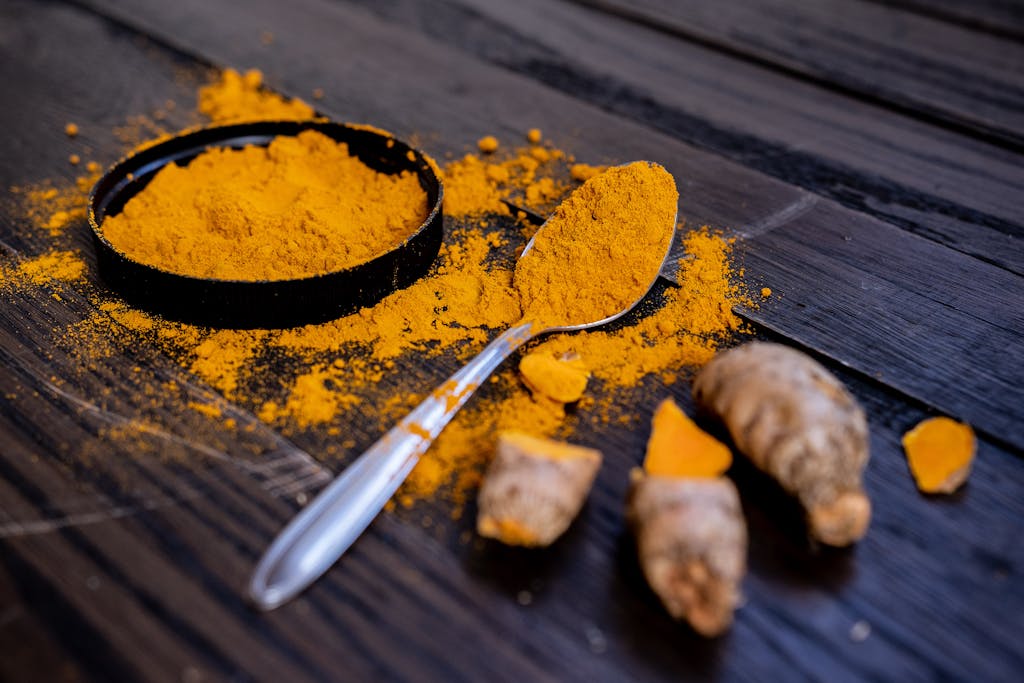
- Turmeric – Powerful anti-inflammatory and antioxidant
- Tulsi (Holy Basil) – Enhances immunity and respiratory health
- Neem – Purifies blood and improves skin health
- Amla – Strengthens digestion and supports longevity
These herbs are most effective when sourced organically, preserving their natural potency.
Detoxification Through Ayurveda
Ayurveda emphasizes regular detoxification to remove toxins (Ama) from the body.
Panchakarma Therapy
Panchakarma is a deep cleansing process that includes:
- Herbal oil massages
- Steam therapy
- Controlled detox techniques
This therapy rejuvenates the body, strengthens immunity, and restores dosha balance.
Daily Detox Practices
Simple daily habits include:
- Drinking warm water in the morning
- Using herbal teas
- Practicing tongue scraping
These small steps support long-term wellness naturally.
Mental Health and Emotional Balance
Well health organic ayurveda recognizes that mental health is just as important as physical health.
Role of Meditation and Yoga
Yoga and meditation calm the nervous system and improve focus. Regular practice helps:
- Reduce anxiety and depression
- Improve sleep quality
- Enhance emotional resilience
Ayurveda believes that a peaceful mind leads to a healthy body.
Ayurveda for Skin and Hair Care
Modern cosmetic products often contain harmful chemicals that damage skin and hair over time. Well health organic ayurveda offers natural alternatives.

Ayurvedic Skin Care
Natural remedies include:
- Aloe vera for hydration
- Sandalwood for cooling
- Turmeric for glowing skin
Ayurvedic Hair Care
Herbs like:
- Bhringraj
- Amla
- Shikakai
Strengthen hair roots, reduce hair fall, and promote natural shine without side effects.
Immunity Boosting Through Ayurveda
A strong immune system is essential for preventing disease. Ayurveda strengthens immunity by improving digestion, detoxifying the body, and nourishing tissues.
Immunity-Enhancing Practices
- Daily use of herbal tonics
- Seasonal detox routines
- Balanced sleep and exercise
Well health organic ayurveda builds immunity naturally rather than relying on quick fixes.
Lifestyle Practices for Holistic Health
Ayurveda emphasizes Dinacharya (daily routine) and Ritucharya (seasonal routine).
Daily Routine Tips
- Wake up early
- Practice oil pulling
- Eat meals at regular times
- Sleep before midnight
These habits align the body with natural rhythms, improving energy and focus.
Why Well Health Organic Ayurveda Is Relevant Today
In a world dominated by stress, pollution, and processed foods, well health organic ayurveda offers a sustainable solution. It promotes prevention rather than cure, empowering individuals to take control of their health naturally.
Unlike modern medicine, which often treats isolated symptoms, Ayurveda views the body as an interconnected system. This holistic approach makes it highly effective for managing chronic conditions, improving quality of life, and promoting longevity.
Scientific Recognition of Ayurveda
Modern research increasingly supports Ayurvedic principles. Studies have shown that Ayurvedic herbs possess anti-inflammatory, antioxidant, and adaptogenic properties. Integrative medicine now combines Ayurveda with modern science, validating its effectiveness worldwide.
How to Start Your Ayurvedic Journey
Beginning with well health organic ayurveda does not require drastic changes. Start small:
- Replace processed foods with organic options
- Introduce herbal teas
- Practice basic yoga and meditation
- Follow a simple daily routine
Consistency is more important than perfection.
Common Myths About Ayurveda
Ayurveda Is Slow
While Ayurveda focuses on long-term healing, many remedies provide quick relief when used correctly.
Ayurveda Is Only for Indians
Ayurveda is a universal science suitable for people of all cultures and lifestyles.
Future of Well Health Organic Ayurveda
As awareness grows, more people are embracing organic and holistic health systems. Well health organic ayurveda represents the future of wellness, blending ancient wisdom with modern needs. Its sustainable, natural, and personalized approach aligns perfectly with today’s health challenges.
Conclusion
Well health organic ayurveda is not just a health trend; it is a timeless lifestyle that nurtures the body, mind, and spirit. By embracing organic living, personalized nutrition, herbal healing, and mindful practices, individuals can achieve lasting wellness without harmful side effects.
In a world searching for balance and authenticity, well health organic ayurveda stands as a powerful guide to natural healing, inner harmony, and lifelong vitality.
25 FAQs on Well Health Organic Ayurveda
Here is a comprehensive list of 25 frequently asked questions about Ayurveda, inspired by the principles and tips from Well Health Organic Ayurveda resources. These cover basics, daily practices, remedies, and more, focusing on natural, organic wellness for mind, body, and spirit.
- What is Ayurveda?
Ayurveda is an ancient Indian system of medicine, often called the “Science of Life,” that emphasizes balancing the body, mind, and spirit using natural remedies, diet, and lifestyle practices to prevent and treat illnesses. - What are the three doshas in Ayurveda?
The three doshas are Vata (air and space), Pitta (fire and water), and Kapha (earth and water). They represent unique body constitutions, and imbalances can lead to health issues. - How can I determine my dosha type?
You can assess your dosha through online quizzes, consultations with Ayurvedic practitioners, or by observing your physical traits, energy levels, and preferences in food and activities. - What are the key principles of Ayurveda?
Key principles include holistic healing, using natural herbs and remedies, preventive care through balanced living, and personalized approaches based on individual doshas. - How does Ayurveda promote organic living?
Ayurveda encourages using chemical-free, seasonal, and locally sourced foods and herbs to align with nature, supporting sustainability and overall well-being. - What is Panchakarma in Ayurveda?
Panchakarma is a detoxification process involving therapies like oil massages (Abhyanga), herbal steam, and purgation to cleanse the body of toxins and restore balance. - Can Ayurveda help with stress relief?
Yes, practices like meditation, yoga, Shirodhara (oil pouring on the forehead), and herbs like Ashwagandha can reduce stress and anxiety by calming the mind. - What role does diet play in Ayurveda?
Diet is central; it should be tailored to your dosha, emphasizing fresh, organic foods, spices, and mindful eating to improve digestion and energy. - How can Ayurveda improve digestion?
By strengthening Agni (digestive fire) through warm meals, herbs like ginger and fennel, and avoiding incompatible foods, leading to better nutrient absorption. - What are some natural remedies for glowing skin in Ayurveda?
Use turmeric, aloe vera, and sandalwood pastes; incorporate oil massages and a Pitta-balancing diet with cooling foods like cucumber. - How does Ayurveda support hair growth?
Through scalp massages with coconut or sesame oil, herbs like Amla and Bhringraj, and a nutrient-rich diet to nourish roots and prevent hair loss. - Can Ayurveda boost immunity?
Yes, with herbs like Tulsi, Giloy, and Turmeric, plus daily routines like oil pulling and yoga to enhance the body’s natural defenses. - What is the proper way to consume honey according to Ayurveda?
Honey should be eaten raw, not heated, and mixed with warm water or herbs for digestion, but avoid combining it with hot foods to prevent toxicity. - How can Ayurveda help with weight management?
By balancing doshas with detox teas, exercise like walking, and meals focused on light, digestible foods while avoiding overeating. - What is Abhyanga and its benefits?
Abhyanga is self-massage with warm oil; it improves circulation, reduces stress, nourishes skin, and promotes better sleep. - How does Ayurveda address hormonal imbalances?
Through herbs like Shatavari for women or Ashwagandha for men, combined with yoga and diet adjustments to regulate conditions like PCOS or thyroid issues. - What are Ayurvedic tips for better sleep?
Establish a routine with warm milk and nutmeg, avoid screens before bed, and practice calming pranayama (breathing exercises) to pacify Vata dosha. - Can Ayurveda help with joint pain?
Yes, using anti-inflammatory herbs like Boswellia, warm oil applications, and gentle yoga to reduce inflammation and improve mobility. - What is the importance of seasonal routines in Ayurveda?
Ritucharya (seasonal regimens) adjust diet and activities to align with weather changes, like eating warming foods in winter to maintain balance. - How can I incorporate Ayurveda into my daily routine?
Start with Dinacharya: wake early, oil pull, exercise, eat balanced meals, and wind down with meditation for holistic health. - What are the benefits of Giloy in Ayurveda?
Giloy boosts immunity, detoxifies, aids digestion, and helps with fever; it’s often consumed as a juice or powder. - How does Ayurveda view exercise?
Exercise should match your dosha—vigorous for Kapha, moderate for Pitta, and gentle like yoga for Vata—to build strength without causing imbalance. - What natural remedies does Ayurveda offer for colds?
Herbal teas with ginger, tulsi, and honey; steam inhalation; and rest to clear congestion and boost recovery. - Can Ayurveda support mental clarity?
Yes, with Brahmi or Gotu Kola herbs, meditation, and a Sattvic (pure) diet to enhance focus and reduce brain fog. - Are Ayurvedic products safe for everyone?
Generally yes, but consult a practitioner for personalized advice, especially if pregnant, on medications, or with specific health conditions, to avoid side effects.
ALSO READ MORE Latest Jobs News by NewsArena.tech — The Complete 2025 Career Guide