Startup or World War 3: Innovation at the Edge of Global Uncertainty
Introduction: A World Standing at a Crossroads
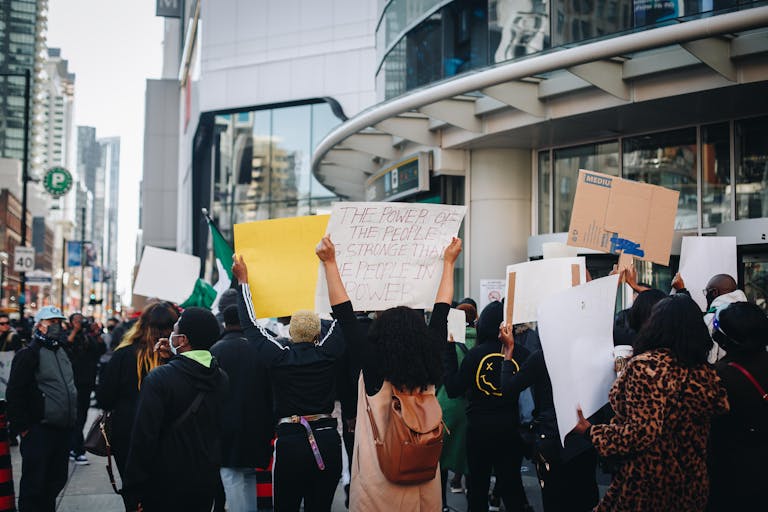
Human history has often been shaped by moments of extreme contrast—times when creativity and destruction coexisted side by side. Today, the world faces a similar crossroads, best described by the provocative phrase “Startup or World War 3.” On one side lies unprecedented innovation driven by startups, technology, and global entrepreneurship. On the other side looms the fear of large-scale conflict fueled by geopolitical tensions, military escalation, and ideological divides.
The question is no longer hypothetical. Nations are rearming, alliances are shifting, cyber warfare is intensifying, and economic sanctions are becoming weapons. At the same time, startups are disrupting industries, solving global problems, and connecting people across borders. This contrast defines the modern era: will humanity invest in creation, or slide toward destruction?
This article explores the meaning of Startup or World War 3, analyzing how innovation, entrepreneurship, and global cooperation compete against conflict, fear, and fragmentation.
Understanding the Concept of “Startup or World War 3”
The phrase Startup or World War 3 is not merely dramatic wording. It represents a deeper philosophical and economic choice. Startups symbolize innovation, risk-taking, and problem-solving. World War 3 symbolizes failure—of diplomacy, cooperation, and collective responsibility.
In earlier centuries, wars were fought over land and resources. In the 21st century, wars may be fought over data, technology, influence, and ideology. Meanwhile, startups are working on clean energy, artificial intelligence, healthcare solutions, and communication platforms that can reduce inequality and prevent conflict Startup or World War 3
The tension between these two futures is real. Every investment, policy decision, and technological breakthrough nudges the world closer to one outcome or the other.
Startups as Engines of Peace and Progress
Economic Stability Through Innovation
Economic instability has historically been one of the strongest triggers of war. Startups help counter this by creating jobs, generating wealth, and stimulating economic growth. From Silicon Valley to South Asia, startups are empowering young populations with opportunities that were previously unavailable.
A society that offers its youth a future in innovation is less likely to see them drawn into extremism or conflict. In this sense, startups act as silent peacebuilders.
Cross-Border Collaboration
Startups thrive on global collaboration. A single startup may have founders in one country, developers in another, investors elsewhere, and customers worldwide. This interconnectedness makes large-scale war economically irrational.
When nations are deeply linked through innovation ecosystems, the cost of conflict rises dramatically. Thus, the startup economy becomes a deterrent against World War 3.
The Shadow of World War 3 in Modern Times
Rising Geopolitical Tensions
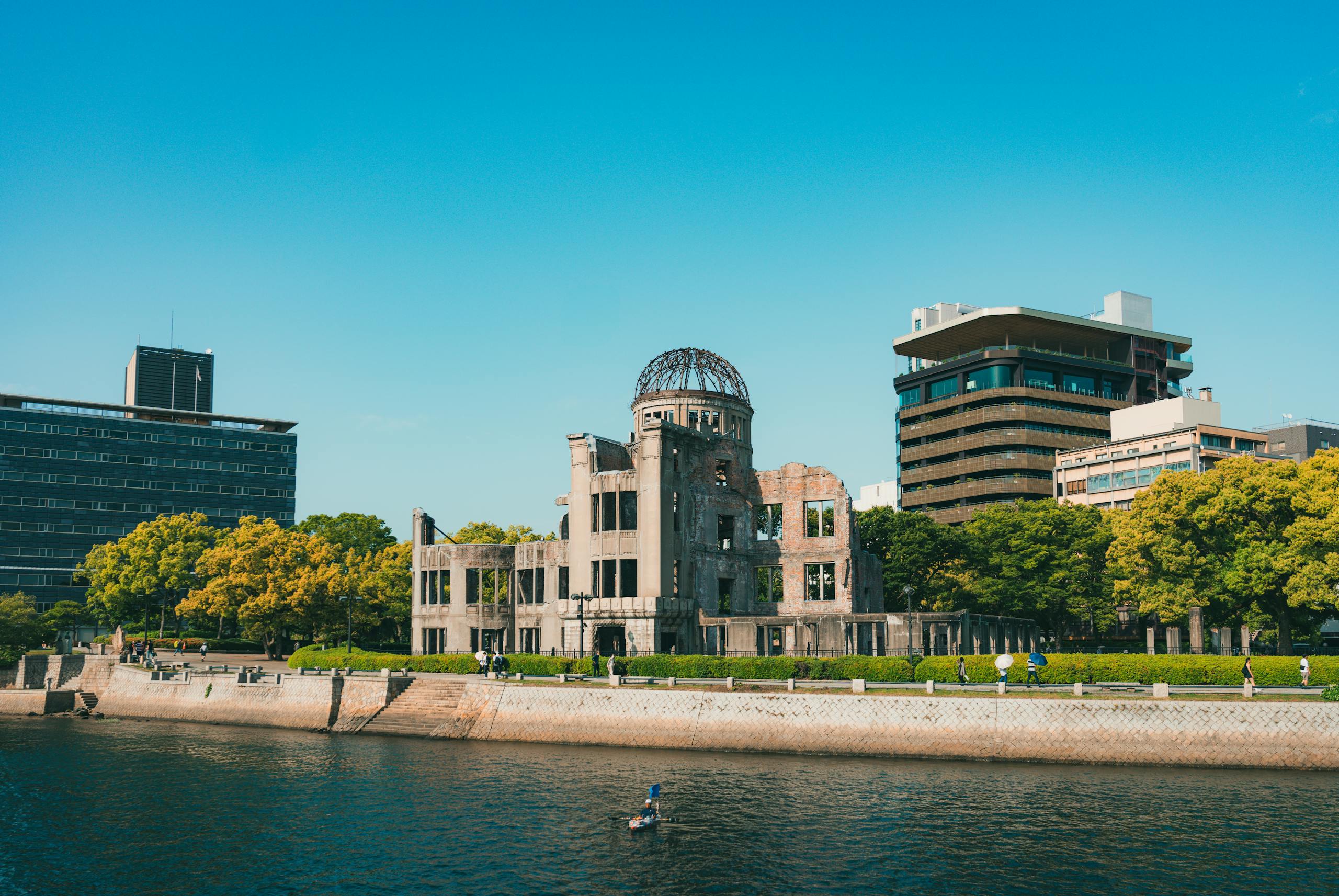
Despite economic interdependence, geopolitical tensions are increasing. Conflicts in Eastern Europe, the Middle East, and Asia have raised concerns about global escalation. Nuclear threats, military drills, and aggressive rhetoric contribute to fears of World War 3.
These tensions affect markets, disrupt supply chains, and create uncertainty—conditions that directly impact startups and innovation Startup or World War 3
Cyber Warfare and Digital Battlefields
World War 3, if it happens, may not begin with bombs but with keyboards. Cyberattacks on infrastructure, financial systems, and communication networks are already occurring. Ironically, the same technologies built by startups are now part of modern warfare.
This creates a moral dilemma: technology can empower societies, but it can also be weaponized.
Startup Culture in a World on Edge
Innovation Under Pressure
Periods of crisis often accelerate innovation. Many groundbreaking startups emerged during wars or economic downturns. Uncertainty forces creativity, and constraints inspire solutions Startup or World War 3
Today’s founders are building under the shadow of global instability, but that pressure is driving innovations in cybersecurity, defense tech, supply chain resilience, and digital finance.
Defense Startups: A Double-Edged Sword
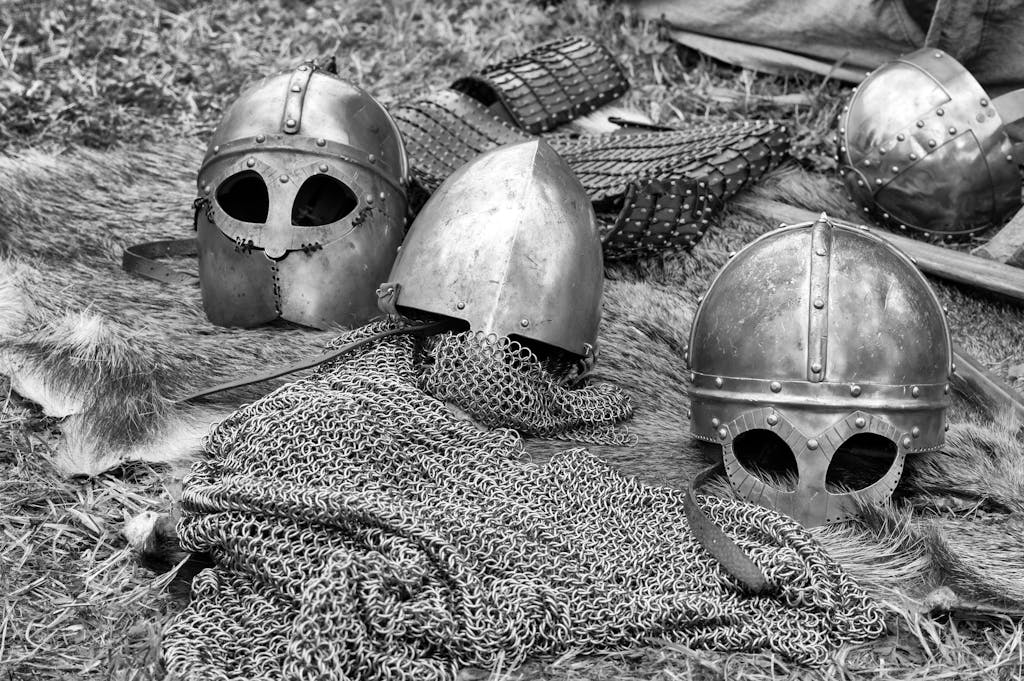
The rise of defense and surveillance startups highlights the ambiguity of the Startup or World War 3 dilemma. On one hand, these startups aim to protect nations and deter aggression. On the other, they contribute to militarization.
The ethical responsibility of founders and investors has never been greater.
Technology: The Tool That Can Decide the Future
Artificial Intelligence and Global Power
AI is reshaping economies and militaries alike. Startups are leading AI development, but governments are racing to control it. Autonomous weapons, predictive warfare systems, and AI-driven surveillance raise serious ethical questions.
Will AI startups focus on healthcare, education, and climate solutions—or will they become instruments of World War 3?
Energy Startups and Conflict Prevention
Energy scarcity has long been a cause of war. Startups working on renewable energy, battery storage, and decentralized power systems offer a path away from resource-based conflicts.
Clean energy innovation could reduce dependency on contested regions and weaken one of the traditional drivers of global wars Startup or World War 3
Economic Warfare vs Entrepreneurial Growth
Sanctions as Modern Weapons
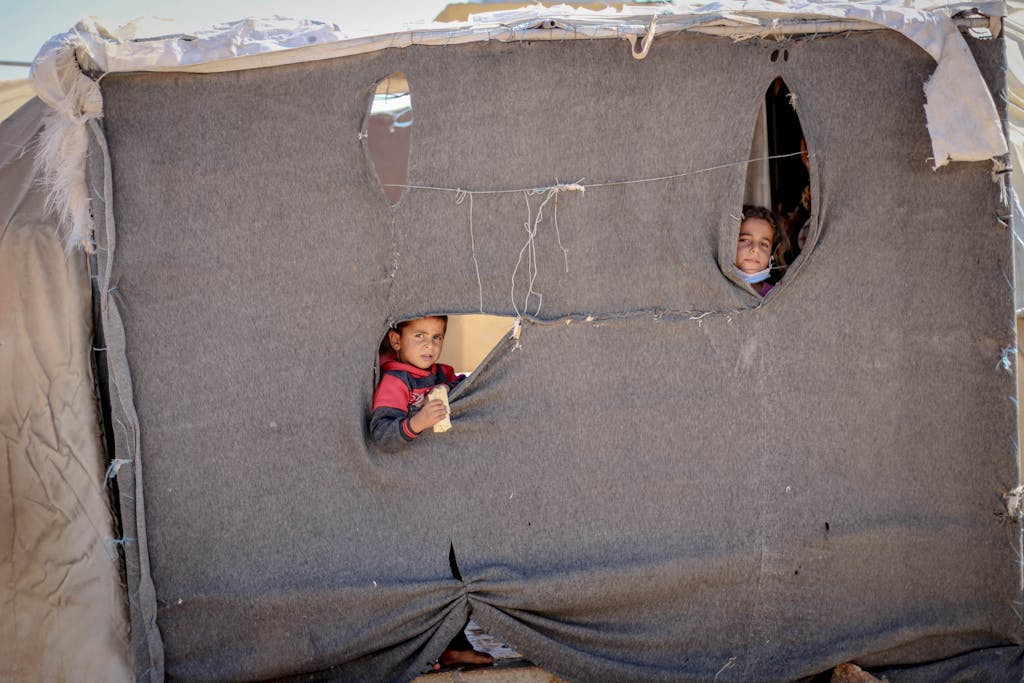
Economic sanctions have replaced traditional warfare in many cases. While they aim to prevent conflict, sanctions often hurt civilians and small businesses, including startups.
Entrepreneurs in sanctioned countries face isolation, limited funding, and restricted access to markets, pushing regions closer to instability.
Startups as Economic Resistance
In response, startups often emerge as tools of resilience. Digital platforms, remote services, and decentralized finance help economies survive under pressure. In this way, startups become a form of peaceful resistance against the forces pushing toward World War 3.
Youth, Startups, and the Choice of the Future
A Generation That Must Decide
The world’s largest youth population is alive today. Their choices—whether to build companies or join conflicts—will shape the future. Startups offer purpose, identity, and hope.
When young people believe they can change the world through innovation, the appeal of war diminishes Startup or World War 3
Education and Entrepreneurial Mindsets
Education systems that promote critical thinking, creativity, and entrepreneurship reduce the likelihood of conflict. A startup mindset encourages problem-solving over violence.
This cultural shift may be one of the strongest defenses against World War 3.
Media Narratives: Fear vs Possibility
War Headlines and Public Anxiety
Media coverage often amplifies fear. Constant speculation about World War 3 creates anxiety and pessimism, affecting investment and innovation.
Fear freezes action, while hope inspires creation.
Startups Changing the Narrative
Startup success stories offer an alternative narrative—one of progress, resilience, and possibility. They remind society that the future is not predetermined.
The battle between fear-based narratives and innovation-driven optimism is central to the Startup or World War 3 debate.
The Role of Governments and Policy
Supporting Innovation Over Militarization
Governments play a crucial role in determining the future. Policies that support startups, research, and global collaboration reduce the appeal of conflict.
Excessive military spending at the expense of education and innovation sends the opposite message Startup or World War 3
Regulation Without Suppression
Smart regulation can guide startups toward ethical innovation while preventing misuse of technology. Poor regulation, however, can stifle creativity or push innovation into military applications.
Balanced policy is essential in choosing startups over World War 3.
Moral Responsibility of Entrepreneurs and Investors
Choosing Impact Over Profit
Founders and investors shape the direction of innovation. Funding choices can either fuel technologies that promote peace or accelerate conflict Startup or World War 3
The Startup or World War 3 dilemma is also a moral one: what kind of future is worth investing in Startup or World War 3
Ethical Innovation as a Competitive Advantage
Consumers increasingly value ethical companies. Startups that prioritize sustainability, inclusivity, and peace may gain long-term trust and success.
Doing good is no longer separate from doing well.
Can Startups Actually Prevent World War 3?
Realistic Optimism
Startups alone cannot prevent global war. However, they can influence the conditions that make war less likely: economic opportunity, communication, and shared interests Startup or World War 3
Innovation creates alternatives to violence.
Collaboration as the Ultimate Innovation
The most powerful startup idea may not be an app or platform, but global collaboration itself. Networks of entrepreneurs across borders humanize “the other side” and reduce dehumanization—the psychological foundation of war.
The Final Choice: Creation or Destruction
The phrase Startup or World War 3 captures the defining tension of our time. Humanity has the tools to solve its biggest problems, yet it also has the weapons to destroy itself.
Every startup founded, every problem solved, and every collaboration formed is a small step away from war. Every escalation, every act of hatred, and every misuse of technology pulls the world closer to disaster Startup or World War 3
The future is not written by fate—it is built by choices.
Conclusion: Why the World Must Choose Startups
Choosing startups does not mean ignoring security or global threats. It means recognizing that innovation, opportunity, and cooperation are stronger foundations for peace than fear and force.
World War 3 would represent the failure of imagination. Startups represent belief in a better future.
At this critical moment in history, humanity must decide:
Will we invest in building the future—or prepare to destroy it?
The answer lies in whether we choose Startup or World War 3.
20 Frequently Asked Questions About Startups
Here are 20 common FAQs about launching and running a startup, based on insights from entrepreneurs, investors, and resources like Y Combinator, Paul Graham, and various startup guides Startup or World War 3
- What is a startup?
A startup is a young company designed for rapid growth, often solving a problem with an innovative (usually tech-based) product or business model. It’s typically in early stages, seeking scalability. - What makes a good startup idea?
A good idea solves a real pain point for many people, has a large potential market, and can achieve product-market fit quickly. Focus on problems you understand deeply. - Should I have a co-founder?
Yes, most successful startups have co-founders. Solo founders face higher risks; a complementary co-founder (e.g., technical + business) shares the load and brings diverse skills. - How do I find a co-founder?
Network at events, meetups, hackathons, or online communities like LinkedIn, Reddit, or Founder Dating. Look for shared passion, complementary skills, and trust. - How should we split equity with co-founders?
Equal splits are common to avoid resentment, but adjust for contributions (e.g., idea originator or full-time commitment). Use vesting over 4 years to protect against early departures. - What legal structure should I choose for my startup?
Delaware C-Corporation is preferred for raising venture capital due to investor familiarity and flexibility. LLCs or S-Corps work for bootstrapping but complicate funding. - Do I need a business plan?
Traditional long plans are less useful; focus on a lean canvas or one-page summary. Validate ideas with customers first via MVPs (Minimum Viable Products). - How much money do I need to start?
As little as possible—bootstrap initially. Many successful startups begin with personal savings, credit cards, or small friends/family rounds before seeking investors. - How do I validate my startup idea?
Build an MVP, talk to potential customers (aim for 100 interviews), and test willingness to pay. Use tools like surveys, landing pages, or no-code prototypes. - What is product-market fit?
When your product satisfies a strong market demand—users love it, retain it, and refer others. Marc Andreessen says: “You can always feel when it happens.” - How do I raise funding?
Start with bootstrapping or angels, then accelerators (e.g., Y Combinator). Pitch VCs with traction (users/revenue). Common sources: friends/family, seed rounds, Series A. - What is a pitch deck?
A 10-15 slide presentation outlining problem, solution, market size, traction, team, and ask. Keep it simple and story-driven. - Should I join an accelerator or incubator?
Accelerators (e.g., Techstars, YC) provide mentorship, funding, and networks for equity—great for speed. Incubators offer longer support without strict timelines. - How important is the team in a startup?
Extremely—investors bet on people first. Strong teams execute well, pivot effectively, and attract talent. - Why do most startups fail?
Common reasons: no market need (42% per CB Insights), running out of cash, poor team, competition, or bad timing/pricing. - How do I hire my first employees?
Hire for culture fit, skills, and passion. Start with versatile generalists. Use equity to attract talent when cash is low. - What is bootstrapping?
Building the company with personal funds or revenue—no external investors. Pros: full control; cons: slower growth. - How much should founders pay themselves?
As little as possible initially (e.g., ramen-profitable salary) to extend runway. Prioritize growth over personal pay. - What metrics matter for startups?
Early: user growth, retention, engagement. Later: revenue, churn, CAC (customer acquisition cost), LTV (lifetime value). - Is it better to focus on growth or profitability?
Early-stage: growth to capture market. Once scaled, shift to profitability. Many unicorns prioritized growth via funding before becoming profitable.
If your query meant FAQs about World War (likely WWII, the most referenced), let me know—I can provide those instead!
ALSO READ MORE My News GH: A Comprehensive Insight into Ghana’s Digital News Powerhouse 2026