Pappedeckel: A Complete Guide to Its Meaning, Uses, Benefits, and Future 2026
Introduction to Pappedeckel
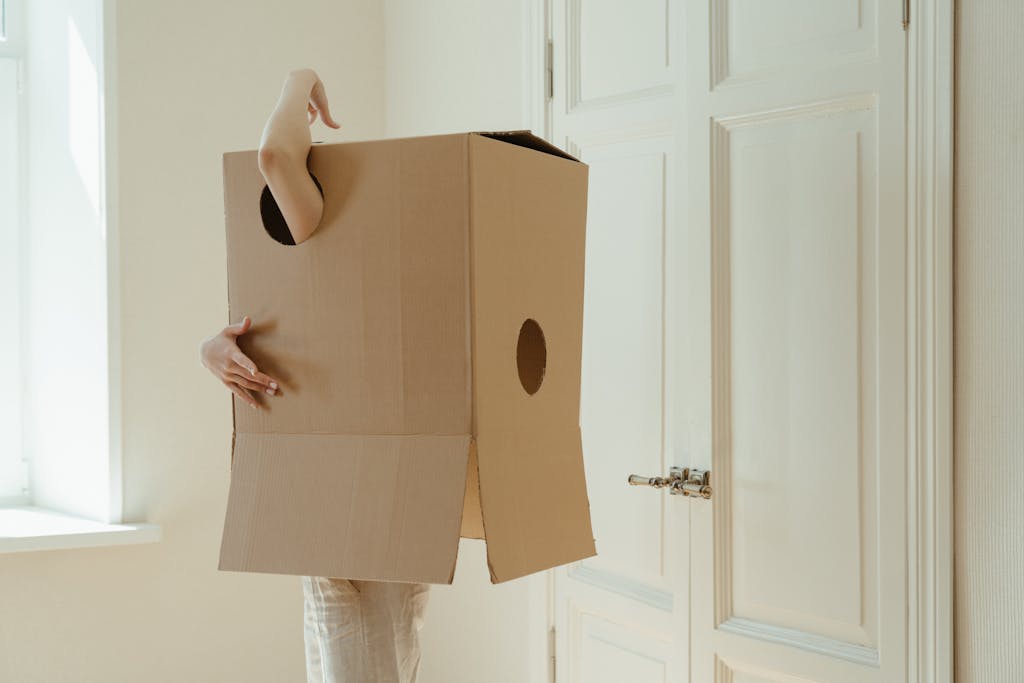
The word pappedeckel may sound unfamiliar to many people outside German-speaking regions, yet the material it represents is something we all interact with daily. Pappedeckel refers to a type of thick cardboard or paperboard that is widely used in packaging, crafts, construction, publishing, and sustainable manufacturing. In a world that is increasingly focused on eco-friendly solutions, pappedeckel has become an important material due to its recyclability, versatility, and affordability.
From simple product boxes to creative art projects and industrial applications, pappedeckel plays a silent but essential role. This article provides an in-depth look at pappedeckel, covering its meaning, history, types, manufacturing process, applications, advantages, disadvantages, environmental impact, and future potential.
What Is Pappedeckel?
Pappeeckel is a German term that translates roughly to cardboard sheet or thick paperboard. It is thicker and sturdier than normal paper but lighter and more flexible than wood or plastic. The material is typically made from compressed paper fibers, often sourced from recycled paper.
Unlike corrugated cardboard, pappedeckel is usually solid and flat, making it ideal for projects that require rigidity without bulk. It is commonly used in book covers, packaging inserts, backing boards, crafts, and protective layers.
The History of Pappedeckel
The origins of pappdeckel can be traced back to the early development of paper and cardboard manufacturing in Europe. As paper production became more efficient in the 18th and 19th centuries, manufacturers began experimenting with thicker paper layers to create more durable materials.
During the industrial revolution, the demand for cost-effective and lightweight materials increased. Papedeckel quickly gained popularity as an alternative to wood and metal for certain applications. Over time, advancements in recycling technology allowed pappeeckel to be produced from waste paper, further increasing its appeal.
How Pappedeckel Is Made
The manufacturing process of pappdeckel involves several key steps:
1. Collection of Raw Materials
Most pappeeckel is produced from recycled paper, including newspapers, office paper, and cardboard waste.
2. Pulping
The collected paper is mixed with water and broken down into pulp. This pulp is cleaned to remove inks, staples, and other impurities.
3. Pressing and Drying
The pulp is spread into sheets and pressed to remove excess water. These sheets are then dried under controlled conditions.
4. Layering and Compression
To achieve the desired thickness and strength, multiple layers may be pressed together. The result is a dense, flat sheet of pappedekel.
5. Cutting and Finishing
Finally, the sheets are cut into standardized sizes or customized dimensions based on usage requirements.
Types of Pappeeckel
Papedeckel comes in several varieties, each designed for specific purposes.
Greyboard Pappedeckel
This is the most common type, recognizable by its grey color. It is widely used in packaging, bookbinding, and backing boards.
White Pappdeckel
Made with bleached fibers, white papedeckel is often used for printing, presentation boards, and premium packaging.
Laminated Pappeeckel
This type is coated or laminated with paper, fabric, or plastic to improve durability and appearance

Colored Pappedeckel
Frequently used in crafts and design projects, colored papedeckel offers both functionality and aesthetics.
Common Uses of Pappedckel
Packaging Industry
Pappeeckel is heavily used in packaging due to its strength and lightweight nature. It is ideal for:
- Product boxes
- Protective inserts
- Dividers
- Display packaging
Bookbinding and Publishing
Book covers, notebooks, and folders often use pappeeckel as the inner structural layer. It provides rigidity while keeping the product lightweight.
Arts and Crafts
Artists, students, and designers frequently use papedeckel for:
- Model making
- Scrapbooking
- Painting surfaces
- DIY projects
Construction and Insulation
In some cases, pappdeckel is used as a temporary protective layer during construction or as part of composite insulation solutions.
Stationery and Office Supplies
Files, binders, clipboards, and presentation boards commonly include papedeckel components.
Advantages of Using Papedeckel
Eco-Friendly Material
One of the biggest advantages of pappdeckel is its sustainability. It is recyclable, biodegradable, and often made from recycled materials.
Cost-Effective
Compared to plastic, wood, or metal alternatives, pappeeckel is significantly cheaper to produce and purchase.
Lightweight Yet Strong
Papedeckel offers an excellent balance between weight and strength, making it easy to transport and handle.
Easy to Cut and Shape
It can be easily cut, folded, glued, or painted, making it perfect for creative and industrial applications alike.
Customizable
Pappedeckel can be printed, laminated, embossed, or dyed, allowing endless customization options.
Disadvantages of Pappedeckel
Despite its many benefits, pappeeckel does have some limitations.
Sensitivity to Moisture
Pappdeckel can weaken or warp when exposed to water or high humidity unless treated or laminated.
Limited Load-Bearing Capacity
While strong for its weight, it cannot support heavy loads like wood or metal.
Fire Resistance
Untreated pappedeckel is flammable, which limits its use in certain environments.
Pappedeckel vs Other Materials
Pappedeckel vs Plastic
Pappedckel is more environmentally friendly and biodegradable, while plastic is more durable and water-resistant.
Pappedeckel vs Wood
Wood is stronger and more durable, but pappdeckel is lighter, cheaper, and easier to recycle.
Pappedeckel vs Corrugated Cardboard
Corrugated cardboard offers better cushioning, while papedeckel provides a smooth, solid surface.
Environmental Impact of Pappedeckel
The environmental benefits of pappedeckel are one of the main reasons for its growing popularity.
Reduced Waste
Using recycled paper reduces landfill waste and minimizes deforestation.
Lower Carbon Footprint
Producing pappeeckel generally requires less energy compared to plastic or metal manufacturing.
Biodegradability
Unlike synthetic materials, pappedeckel naturally decomposes over time without releasing harmful toxins.
Pappedeckel in Sustainable Packaging
As businesses move toward eco-conscious practices, papedeckel has become a key material in sustainable packaging strategies. Many companies now replace plastic inserts and foam with pappedeckel alternatives. This shift not only reduces environmental harm but also improves brand reputation among environmentally aware consumers.
Innovations in Pappedeckel Manufacturing
Modern technology has significantly improved the quality and performance of papedeckel.
Water-Resistant Coatings
New coatings make pappedckel more resistant to moisture while maintaining recyclability.
Fire-Retardant Treatments
Innovative treatments enhance safety for use in construction and public spaces.
High-Density Pappedeckel
Advanced compression techniques produce stronger and more durable sheets suitable for industrial use.
Global Market Demand for Pappedeckel
The demand for pppedeckel continues to rise globally, driven by:
- Growth in e-commerce
- Increased focus on sustainable packaging
- Expansion of the publishing and stationery industries
Europe remains a major producer and consumer, but demand is rapidly increasing in Asia and North America as well.
How to Choose the Right Pappedeckel
When selecting papedeckel, consider the following factors:
- Thickness and density
- Intended use
- Exposure to moisture
- Required durability
- Printing or finishing needs
Choosing the right type ensures optimal performance and longevity.
DIY Projects Using Papedeckel
Pappedckel is a favorite material for DIY enthusiasts. Popular projects include:
- Storage boxes
- Photo frames
- Wall art
- Educational models
Its affordability and ease of use make it ideal for both beginners and professionals.
Recycling and Disposal of Pappedeckel
Recycling papedeckel is simple and widely supported. It should be:
- Kept clean and dry
- Free from excessive plastic coatings
- Placed in designated paper recycling bins
Proper disposal helps maintain the sustainability cycle.
The Future of Pappedeckel
The future of papedeckel looks promising. As environmental regulations tighten and consumers demand greener alternatives, pappedeckel is expected to replace more plastic-based materials. Ongoing research aims to improve its strength, water resistance, and versatility without compromising sustainability.
What does “Pappedeckel” mean?
Pappdckel is a German compound word: “Pappe” means cardboard (or pasteboard), and “Deckel” means lid or cover. It literally translates to “cardboard lid” or “cardboard cover” in English.
What is a Pappedeckel typically used for?
It is most commonly a flat, round or shaped cardboard lid placed on takeaway coffee cups, hot drinks, soup containers, or food packaging to prevent spills, keep contents warm, protect from insects/dust, and maintain hygiene.
Where did the term Papedeckel come from?
The term originates in Germany, with roots in the late 19th/early 20th century when cardboard beer mats/coasters (and later lids) became popular in pubs, beer gardens, and hospitality as hygienic, disposable alternatives to cloth or felt.
Is Pappedeckel the same as a regular cardboard or paper lid?
Yes — it’s essentially a sturdy paperboard or cardboard lid. In everyday German usage, it refers to these simple, practical covers, though the word can sometimes broadly describe thick cardboard/paperboard material.
Why are Pappedeckel considered eco-friendly?
They are usually made from recycled paper fibers or sustainable pulp, are fully biodegradable, compostable, and recyclable — making them a popular plastic-lid alternative that reduces landfill waste and ocean pollution.
How is a Pappedeckel manufactured?
It starts with paper pulp (often recycled), which is mixed with water, pressed into dense sheets under high pressure/heat, cut into shapes (usually circular), and sometimes treated for better moisture resistance or printability.
Can Pappeeckel be used for purposes other than lids?
Yes — beyond lids, similar cardboard discs/material appear as coasters, protective inserts in packaging, bases for crafts, or even decorative elements in traditional paper crafts and DIY projects.
Are Papedeckel heat-resistant for hot beverages?
They provide good insulation to help keep drinks warm longer and protect hands from heat, though they’re not as insulating as plastic or specialized foam lids. They’re designed for typical hot drink temperatures in cafés and takeaways.
Where are Pappedeckel most commonly seen or used?
Primarily in Germany, Austria, and other German-speaking regions — especially in cafés, bakeries, beer gardens, festivals, and takeaway food services — but similar eco-lids are now spreading globally due to plastic bans and sustainability trends.
Is there a brand or company called Pappedeckel?
There appears to be at least one modern brand/lifestyle site using the name Pappedeckel (selling items like hoodies and skincare), but in general usage, it’s not a brand — it’s the everyday German term for this type of cardboard lid/product
Conclusion
Pappedekel is far more than just thick cardboard. It is a versatile, eco-friendly, and cost-effective material that supports industries ranging from packaging and publishing to art and construction. With its growing role in sustainable solutions, pappedeckel represents a smart choice for businesses and individuals alike.
As innovation continues and environmental awareness increases, papedeckel is set to remain a key material in a more sustainable future.
ALSO READ MORE Fake News of World Crash 2026: How Rumors, Fear, and Digital Manipulation Are Shaping Global Anxiety