Asian Pinay: Identity, Culture, Strength, and the Global Presence of Filipina Women 2026
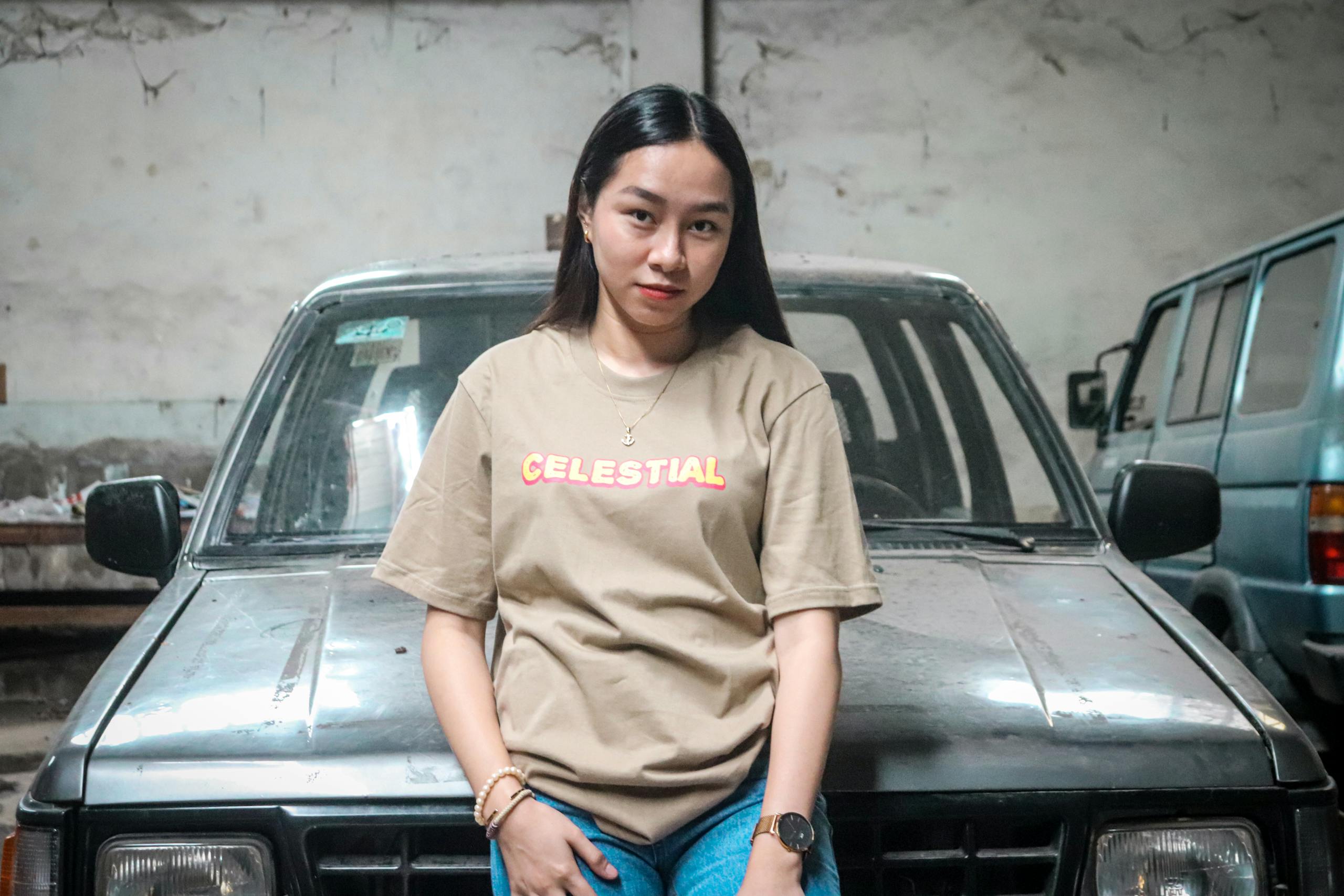
The term Asian Pinay carries deep cultural meaning that extends far beyond a simple label. “Pinay” is an informal, empowering term used to refer to women from the Philippines, and when paired with “Asian,” it places Filipina women within the broader Asian identity while still preserving their unique heritage. Today, the Asian Pinay represents resilience, adaptability, cultural pride, and global influence.
Across history, migration, education, arts, politics, and modern digital spaces, Asian Pinays have shaped communities both in the Philippines and around the world. This article explores the roots, evolution, and modern identity of the Asian Pinay, highlighting culture, values, challenges, and contributions on a global scale.
Understanding the Meaning of “Asian Pinay”
The word Pinay is the feminine form of “Pinoy,” derived from “Filipino.” It is commonly used in casual and cultural contexts and is often embraced as a term of pride. When people say Asian Pinay, they acknowledge both the Filipina identity and the broader Asian cultural framework.
Filipina women are distinctly Asian, yet their history reflects a blend of indigenous traditions, Spanish influence, American colonial history, and strong Southeast Asian roots. This fusion has created a unique identity that sets Asian Pinays apart within the Asian diaspora.
Historical Roots of the Asian Pinay Identity
Pre-Colonial Era
Before colonization, Filipina women held respected positions in society. They could own property, lead communities, engage in trade, and even serve as spiritual leaders known as babaylan. Gender equality was more balanced compared to many other ancient societies.
Spanish and American Influence
Colonization reshaped Filipino society. Spanish rule introduced Catholic values and patriarchal norms, while American occupation brought Western education and English language proficiency. Despite these changes, Asian Pinays retained their inner strength and adaptability.
This historical layering formed a woman who is both tradition-oriented and progressive—one of the defining traits of the modern Asian Pinay.
Cultural Values That Define an Asian Pinay
Strong Family Orientation
Family is the heart of Filipina culture. Asian Piays are often raised with a deep sense of responsibility toward parents, siblings, and extended relatives. Concepts like utang na loob (debt of gratitude) and pakikisama (social harmony) shape personal and professional relationships.
Respect and Compassion
Respect for elders and empathy for others are central values. Asian Pinays are taught from a young age to be mindful of community, which influences their nurturing leadership style.
Faith and Spirituality
Religion, especially Christianity, plays a significant role for many Asian Pinays. Faith often serves as a source of strength during hardship, migration, or personal challenges.
The Asian Pinay in Education and Career
Academic Excellence
Filipina women are highly educated, both locally and internationally. Many Asian Pinays excel in fields such as medicine, nursing, education, engineering, and business.
English fluency, combined with adaptability and work ethic, has made Asian Pinays competitive in global job markets.
Overseas Filipino Workers (OFWs)
Millions of Aian Pinays work abroad as nurses, caregivers, teachers, engineers, and corporate professionals. Their remittances significantly support the Philippine economy and uplift families back home.
Despite challenges such as homesickness and cultural adjustment, Asian Pinays continue to thrive and build reputations for professionalism and resilience.
Asian Pinay Representation in Media and Arts
Film, Music, and Literature
Asian Pinays are increasingly visible in global media. From independent films to mainstream platforms, Filipina stories are being told with authenticity and pride.
Writers, poets, and filmmakers explore themes of identity, migration, love for homeland, and generational struggles—giving voice to the Asian Pinay experience.
Fashion and Beauty
Asian Pinay beauty is diverse and defies stereotypes. With a wide range of skin tones, body types, and facial features, Filipina women are redefining Asian beauty standards.
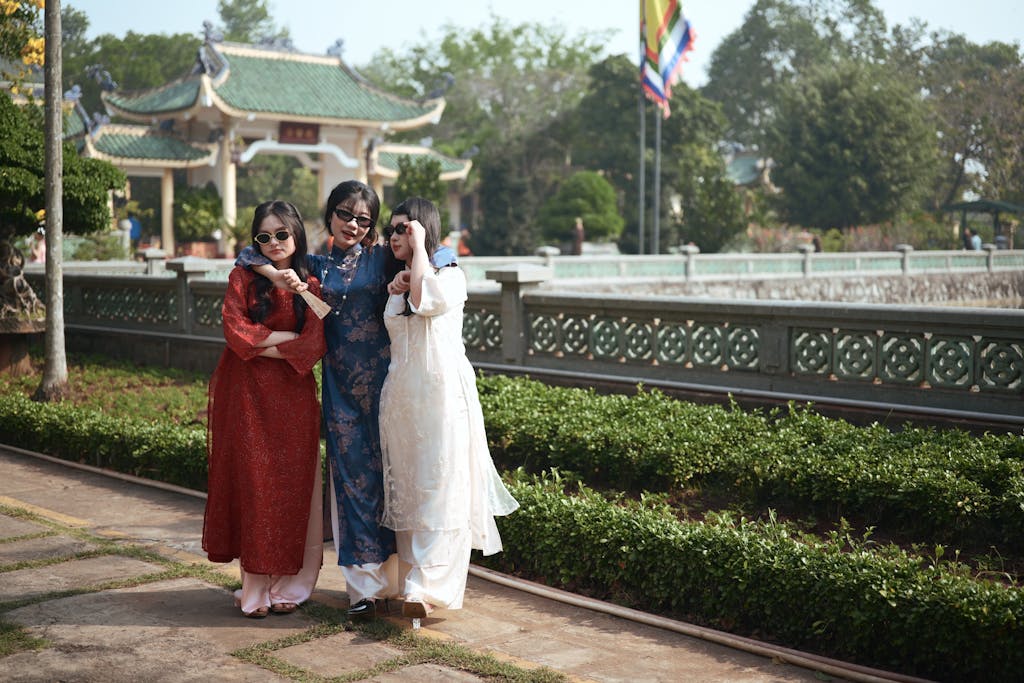
Modern Asian Pinays celebrate natural beauty, cultural attire, and modern fashion equally, blending tradition with contemporary style.
The Asian Pinay in the Digital Age
Social Media and Content Creation
The rise of social media has allowed Asian Pinays to share their stories globally. Content creators discuss culture, language, cooking, lifestyle, education, and empowerment.
Platforms like YouTube, TikTok, and Instagram have become spaces for cultural preservation and self-expression.
Challenging Stereotypes Online
Asian Pinays actively challenge outdated or harmful stereotypes by promoting narratives of intelligence, leadership, and independence. Digital activism has become a powerful tool for redefining identity.
Feminism and Empowerment Among Asian Pinays
Asian Pinay feminism often differs from Western models. It balances empowerment with cultural respect, family values, and community responsibility.
Filipina women advocate for:
- Equal pay and job opportunities
- Protection of migrant workers
- Representation in politics and leadership
- Education for girls in rural communities
This approach reflects a uniquely Asian Pinay perspective on gender equality.
Asian Pinay Contributions to Global Society
Healthcare and Education
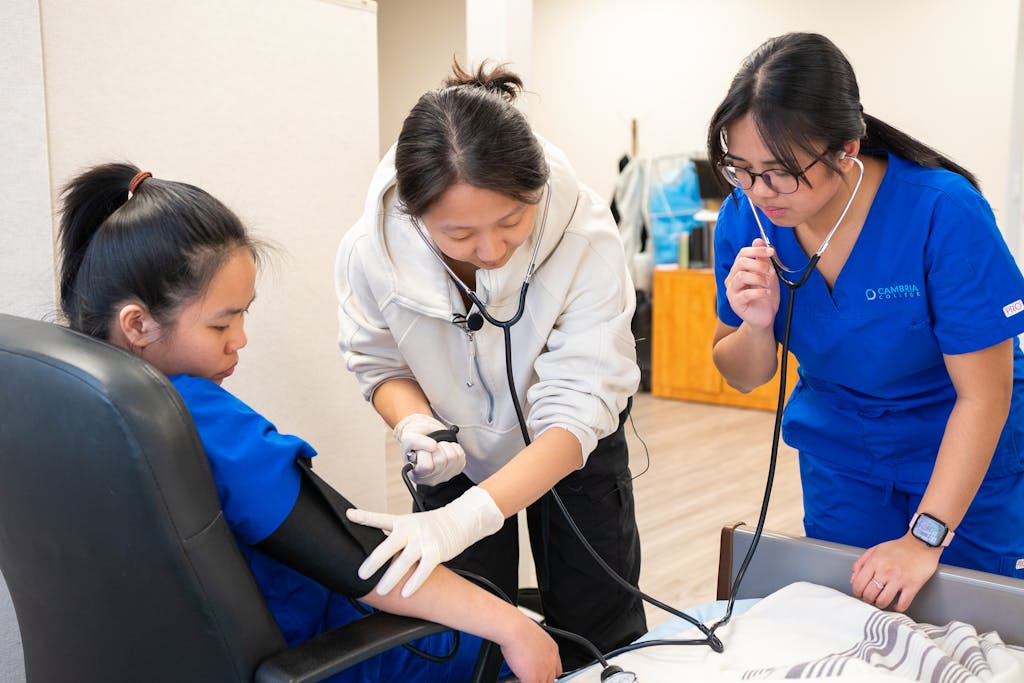
Asian Pinays are highly respected in healthcare systems worldwide, particularly in nursing and caregiving roles. Their compassion and dedication have saved countless lives.
In education, Filipina teachers influence generations of students across continents.
Leadership and Politics
More Asian Pinays are stepping into leadership roles, from local governments to international organizations. Their leadership style often emphasizes inclusivity, empathy, and collaboration.
Challenges Faced by Asian Pinays
Despite achievements, Asian Pinays still face challenges:
- Cultural stereotyping
- Workplace discrimination
- Migration-related stress
- Balancing tradition with modern expectations
However, resilience remains a defining trait. Asian Pinays continuously adapt, learn, and rise above limitations.
Preserving Language and Heritage
Languages such as Tagalog, Cebuano, Ilocano, and others are essential to Asian Pinay identity. Many women actively teach these languages to younger generations abroad, ensuring cultural continuity.
Food, festivals, traditional clothing, and storytelling also play major roles in preserving heritage.
The Future of the Asian Pinay Identity
The future of the Asian Pinay is global, confident, and influential. As boundaries blur through technology and migration, Filipina women continue to redefine what it means to be Asian in the modern world.
Young Asian Pinays today are:
- Globally educated
- Digitally connected
- Culturally grounded
- Socially aware
They honor the past while shaping the future.
15 Frequently Asked Questions About Pinay (Filipina) Women
Here are 15 common FAQs based on popular queries and discussions about Filipina women, often in the context of culture, dating, and relationships. These draw from various sources and general knowledge.
- Is a Filipina only interested in my finances?
This is a common misconception. While some individuals might have ulterior motives, many Filipina women seek genuine connections based on love and respect, not money. It’s important to build trust and observe actions over time. - How important is family to a Filipina?
Family is extremely important in Filipino culture. Filipinas often prioritize family ties, and involving or respecting her family can strengthen a relationship. Expect close involvement from relatives in major decisions. - What are signs that a Filipina genuinely likes you?
Signs include consistent communication, introducing you to her family or friends, showing care through actions like cooking or checking in, and making efforts to learn about your culture. Genuine interest goes beyond superficial compliments. - Do good Filipina women ask for money early in dating?
No, reputable advice emphasizes that genuine Filipinas do not ask for money right away. Requests for financial help early on could be a red flag for scams or insincerity. - How does a large age gap affect dating a Filipina?
A significant age difference can sometimes indicate mismatched expectations, with potential for one party seeking financial stability. However, many successful relationships exist with age gaps if based on mutual respect and shared values. - What are the best ways to meet Filipina women?
Online dating sites like Filipino Cupid, OkCupid, or DateinAsia are popular. In-person, attending cultural events or traveling to the Philippines can work, but always prioritize safety and genuine interactions. - Are Filipina women jealous in relationships?
Many Filipinas can be protective or jealous, especially early on, as it’s influenced by cultural norms emphasizing loyalty. Open communication helps address this, and it’s not universal but common in discussions. - How can I impress a Filipina woman?
Show genuine interest in her culture, ask about her family and background, be respectful, and listen actively. Small gestures like learning basic Tagalog or appreciating Filipino food go a long way. - What are common misconceptions about Filipina women?
Misconceptions include assuming they’re submissive, only interested in foreigners for money, or overly traditional. In reality, Filipinas are diverse, independent, and value equality in relationships. - What characteristics make Filipina women appealing in relationships?
They are often described as loving, caring, respectful, hardworking, and family-oriented. Many appreciate their warmth, loyalty, and ability to create a nurturing home environment. - Is Filipino dating culture conservative?
Yes, it’s generally conservative with emphasis on courtship, family approval, and respect. Public displays of affection might be subtle, and relationships often progress slowly. - Are Filipinas open to dating foreigners?
Many are open, especially if the foreigner shows respect for their culture. However, preferences vary, and building trust is key to overcoming any cultural barriers. - Do Filipina women typically make the first move?
It’s not common due to traditional norms; men are often expected to initiate. However, modern Filipinas might be more forward, especially online or in urban areas. - What should I ask a Filipina before meeting in person?
Key questions include her family background, relationship goals, past experiences, and expectations. This helps gauge compatibility and avoid misunderstandings. - How loyal are Filipina women in relationships?
Loyalty is highly valued in Filipino culture, and many Filipinas prioritize commitment. However, like anyone, it depends on the individual and the health of the relationship—open communication fosters trust.
Conclusion
The term Asian Pinay represents far more than nationality or gender. It embodies history, resilience, compassion, intelligence, and cultural pride. From ancestral villages to global cities, Asian Pinays have made lasting contributions to society.
As the world becomes more interconnected, the voice of the Asian Pinay grows stronger—telling stories of identity, empowerment, and belonging. Understanding and respecting this identity is essential to appreciating the diversity and richness of Asian cultures as a whole.
ALSO READ MORE My News GH: A Comprehensive Insight into Ghana’s Digital News Powerhouse 2026