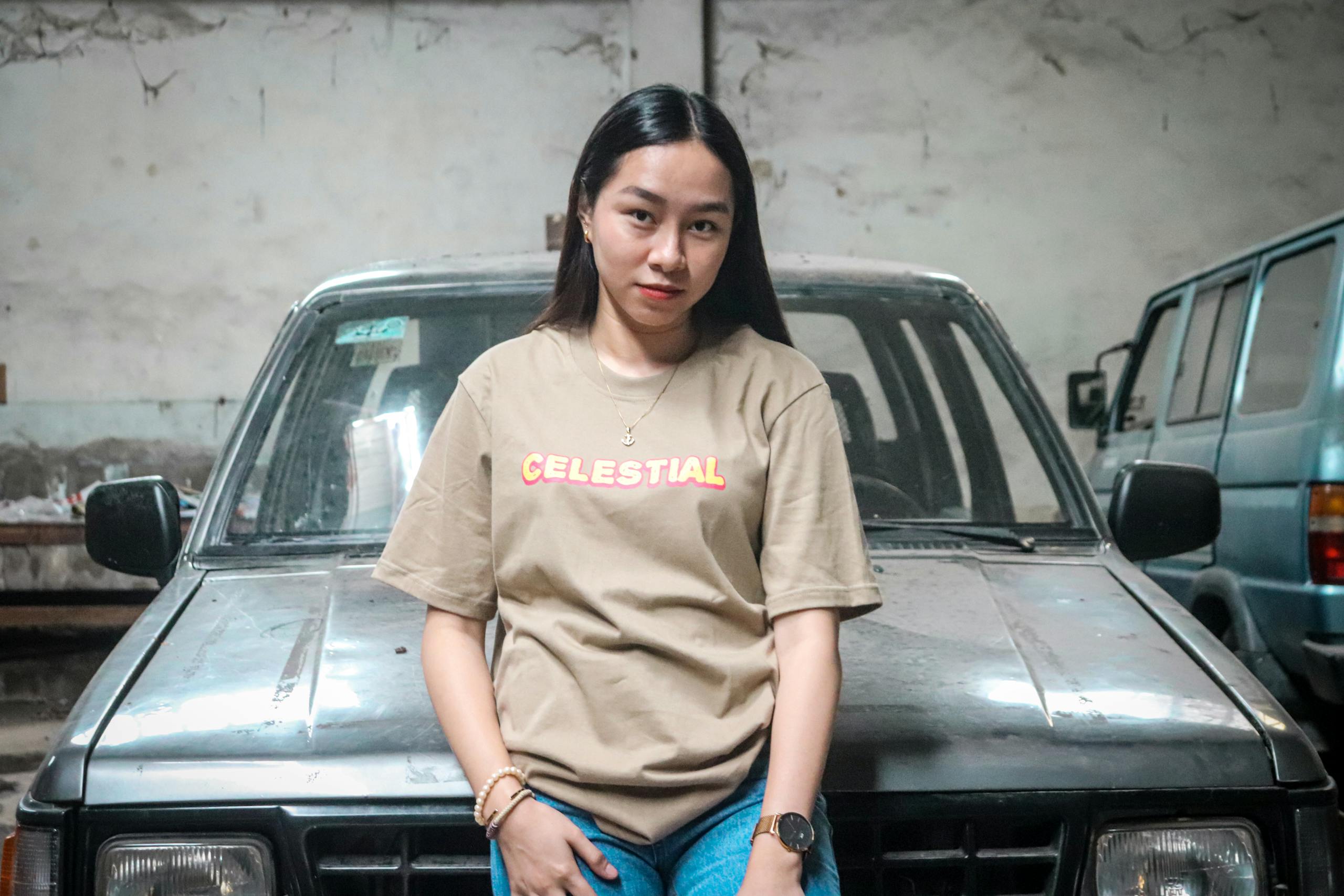
Asian Pinay: Identity, Culture, Strength, and the Global Filipino Woman 2026
The term Asian Pinay represents far more than a simple label. It is a powerful cultural identity rooted in history, resilience, tradition, and modern global influence. “Pinay” is an informal term used to refer to a Filipina woman, and when combined with “Asian,” it highlights both regional belonging and a distinct national heritage within Asia. Today, the Asian Pinay stands at the crossroads of tradition and modernity, embodying strength, adaptability, and cultural pride in a rapidly changing world.
This article explores the meaning, history, cultural values, social roles, global presence, challenges, and future of the Asian Pinay, offering a comprehensive and respectful perspective on this important identity.
Understanding the Term “Asian Pinay”
The word Pinay is derived from “Filipina,” commonly used within Filipino communities as a casual and affectionate identifier for women from the Philippines. When paired with “Asian,” the phrase Asian Pinay emphasizes shared Asian roots while acknowledging the Philippines’ unique blend of cultures.
Unlike many Asian nations, the Philippines has been shaped by indigenous traditions, Spanish colonization, American influence, and regional Asian heritage, making the Asian Pinay identity distinct. This multicultural background influences language, religion, customs, values, and worldviews.
Historical Roots of the Asian Pinay Identity
Pre-Colonial Philippines
Before foreign colonization, Filipina women held significant power in society. They could own property, inherit wealth, engage in trade, and even lead communities. Women known as babaylan served as spiritual leaders, healers, and respected authorities.
This early history laid the foundation for the strong and independent nature often associated with the Asian Pinay today.
Colonial Influence
Spanish colonization (over 300 years) introduced Catholicism and patriarchal systems that reshaped women’s roles. Later, American rule influenced education, language, and political awareness. Despite these shifts, Filipina women adapted while preserving core cultural values such as family loyalty, resilience, and faith.
Cultural Values That Define the Asian Pinay
Family-Centered Life
Family is the heart of Filipino culture. An Asian Pinay often plays a central role as a daughter, sister, mother, or caregiver. Respect for elders, responsibility toward siblings, and collective decision-making are deeply ingrained.
The concept of “utang na loob” (debt of gratitude) and “pakikisama” (harmonious relationships) strongly influence social behavior.
Resilience and Emotional Strength
The Philippines frequently faces natural disasters, economic challenges, and political shifts. Asian Pinay women are known for their emotional strength and ability to persevere under pressure. This resilience is not loud or aggressive but calm, patient, and deeply rooted.
Hospitality and Warmth
Hospitality is a defining Filipino trait. The Asian Pinay is often associated with kindness, openness, and warmth toward others, regardless of background or status. These qualities contribute to strong community bonds both at home and abroad.
Education and Modern Empowerment
Access to Education
Education has long been valued in Filipino households. Today, Asian Pinay women excel in academics, professional careers, and leadership roles. Many pursue higher education in fields such as medicine, engineering, business, technology, and the arts.
Professional Achievements
Asian Pinay professionals work across industries globally, including healthcare, education, finance, aviation, media, and entrepreneurship. Their reputation for dedication, adaptability, and strong communication skills makes them highly respected in international workplaces.
The Asian Pinay in the Global Diaspora
Overseas Filipino Workers (OFWs)
Millions of Filipinas work overseas as nurses, caregivers, teachers, and professionals. These Asian Pinay women support families back home through remittances while navigating cultural adjustment, homesickness, and workplace challenges
Their contribution is so significant that remittances form a major pillar of the Philippine economy.
Cultural Ambassadors
Wherever they go, Asian Pinay women carry Filipino culture with them—through food, language, celebrations, and values. Filipino communities abroad remain tightly connected, celebrating traditions like fiestas, religious events, and national holidays.
Media Representation and Identity Challenges
Stereotypes and Misrepresentation
Despite their achievements, Asian Pinay women sometimes face stereotypes in global media. These oversimplified portrayals ignore their diversity, intelligence, and individuality.
Challenging these narratives is an ongoing effort led by writers, filmmakers, activists, and community leaders who aim to present authentic Asian Pinay stories.
Redefining Beauty Standards
Asian Pinay beauty reflects diversity—different skin tones, body types, facial features, and styles. Modern Filipina women increasingly reject narrow beauty standards, embracing confidence, self-respect, and cultural authenticity.
Social and Political Participation
Asian Pinay women actively participate in civic life, advocacy, and governance. The Philippines has seen women serve as presidents, senators, judges, activists, and grassroots leaders.
Their leadership style often emphasizes empathy, collaboration, and long-term social impact rather than personal power.
Faith and Spirituality
Religion, particularly Christianity, plays an important role in many Asian Pinay lives. Faith influences values, family practices, and community involvement. However, spirituality is diverse—many women also connect with indigenous beliefs, personal reflection, and modern interpretations of faith.
Art, Literature, and Creative Expression
Asian Pinay voices are increasingly visible in literature, film, music, and digital media. Writers and artists explore themes of identity, migration, womanhood, love, struggle, and hope.
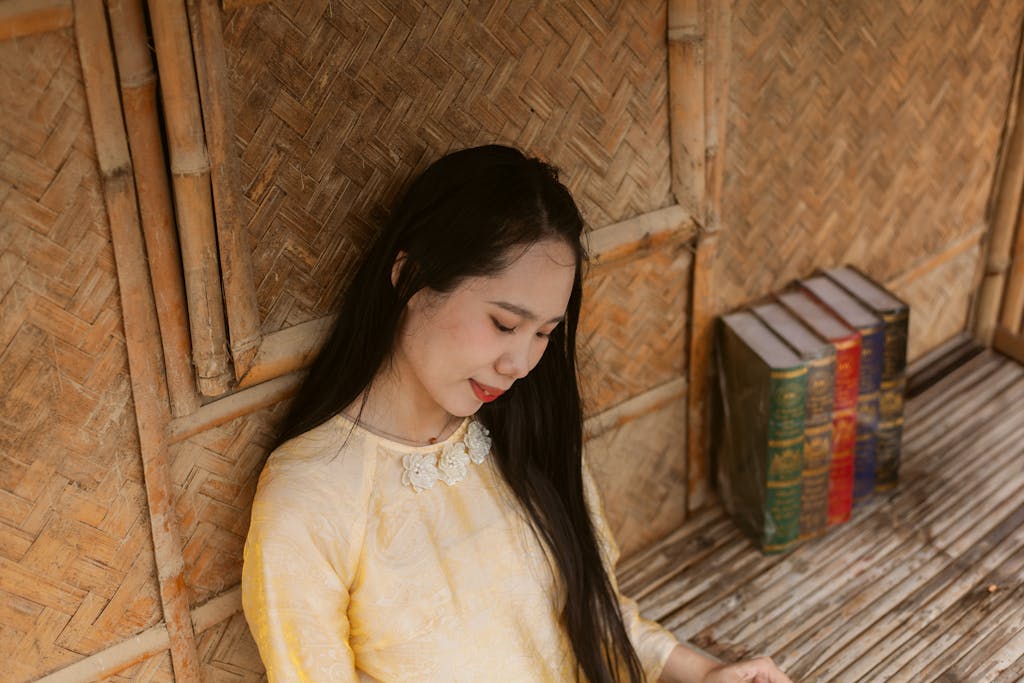
Through creative expression, Asian Pinay women reclaim their narratives and share experiences that resonate globally.
zzzzzzzzzz
Challenges Facing the Asian Pinay Today
Despite progress, challenges remain:
- Gender inequality in certain sectors
- Workplace discrimination abroad
- Balancing traditional expectations with personal goals
- Mental health pressures
- Economic disparities
Addressing these issues requires education, policy reform, cultural awareness, and community support.
The Future of the Asian Pinay Identity
The future of the Asian Pinay is dynamic and promising. Younger generations are more globally connected, socially aware, and confident in expressing identity. They honor tradition while redefining success on their own terms.
Technology, education, and global dialogue continue to open doors, allowing Asian Pinay women to shape narratives rather than be defined by them.
20 FAQs About Asian Pinay (Filipina Women)
Here are 20 frequently asked questions about Pinay women, focusing on culture, dating, identity, and common experiences. These are based on common discussions and insights from various sources.
- What does “Pinay” mean?
Pinay is a colloquial term for a Filipina woman, derived from “Filipina” with the suffix “-ay” commonly used in Tagalog slang. It’s often used proudly within the Filipino community to refer to women from the Philippines. - Are all Pinay women Asian?
Yes, since the Philippines is in Southeast Asia, Filipina women are Asian by geography and ethnicity. However, Filipino heritage often includes a mix of indigenous, Spanish, Chinese, and other influences due to historical colonization and migration. - What are common personality traits of Pinay women?
Many Pinay women are described as family-oriented, resilient, hospitable, and hardworking. They often value close-knit family ties and may exhibit a blend of traditional and modern outlooks, though this varies by individual and background. - How important is family in Pinay culture?
Family is central in Filipino culture. Pinay women often prioritize family approval in relationships, and extended families play a big role in daily life, including decision-making and support systems. - What should I know before dating a Pinay woman?
Respect her family, be patient with cultural differences, and show genuine interest in her background. Many emphasize loyalty and long-term commitment over casual dating. - Are there common scams involving Pinay women in online dating?
Yes, some foreigners report scams where individuals pose as Pinay women to solicit money for emergencies or travel. It’s advised to verify identities and avoid sending money early in relationships. - What questions should I ask a Pinay before meeting in person?
Ask about her family, career goals, hobbies, and views on relationships. This helps build trust and understand compatibility. - How do Pinay women view interracial dating?
Many are open to it, especially with Western men, due to cultural exposure through media and migration. However, mutual respect for cultural differences is key. - What are some stereotypes about Pinay women?
Common stereotypes include being submissive, exotic, or overly nurturing, but these are oversimplifications. Many Pinay women are independent, educated, and challenge these notions. - How has the identity of Pinay women evolved?
With globalization, many Pinay women reclaim their identity through fashion, activism, and media, moving beyond fetishization to empowerment and cultural pride. - What role does religion play in Pinay life?
The Philippines is predominantly Catholic, so many Pinay women incorporate faith into daily routines, holidays, and moral decisions, influencing views on marriage and family. - Are Pinay women good at cooking?
Many take pride in Filipino cuisine like adobo, sinigang, and lumpia. Cooking is often a way to show care, but not all conform to this—modern Pinay women may prefer dining out or quick meals. - What are common challenges Pinay women face abroad?
Overseas Filipina workers (OFWs) often deal with homesickness, exploitation, and cultural adjustment, but they contribute significantly to the economy through remittances. - How do Pinay women celebrate holidays?
Holidays like Christmas (Pasko) are elaborate with family gatherings, food, and traditions like Simbang Gabi (midnight masses). Family reunions are a highlight. - What’s the best way to approach a Pinay on a first date?
Be polite, avoid overly personal questions, and focus on light conversation. Compliments on her personality rather than appearance go a long way. - Do Pinay women prefer traditional or modern relationships?
It varies; some embrace traditional roles like homemaking, while others seek equality in careers and decisions. Communication about expectations is crucial. - What is the significance of “hapa” in relation to Pinay identity?
Hapa refers to mixed heritage (often half-Asian), and some Pinay women with mixed backgrounds identify this way, blending Filipino and other cultures. - Are Pinay women active in social media and pop culture?
Yes, many are influencers, vloggers, and artists on platforms like TikTok and Instagram, sharing everything from beauty tips to cultural stories. - How do Pinay women handle long-distance relationships?
With technology like video calls, many maintain strong bonds despite distance, especially in migrant worker scenarios. Trust and regular communication are essential. - What makes Pinay women unique in Asian culture?
Their blend of Eastern hospitality, Western influences from colonization, and strong community spirit sets them apart, often making them adaptable and warm in diverse settings.
Conclusion
The Asian Pinay is not a stereotype or a single story. She is a daughter of history, a bearer of culture, a force of resilience, and a symbol of quiet strength. From rural villages to global cities, from family homes to boardrooms, Asian Pinay women continue to contribute meaningfully to society.
Understanding and respecting the Asian Pinay identity means recognizing diversity, honoring heritage, and celebrating empowerment. As the world becomes more interconnected, the voice of the Asian Pinay grows stronger—rooted in culture, guided by values, and looking
ALSO READ MORE My News GH: A Comprehensive Insight into Ghana’s Digital News Powerhouse 2026