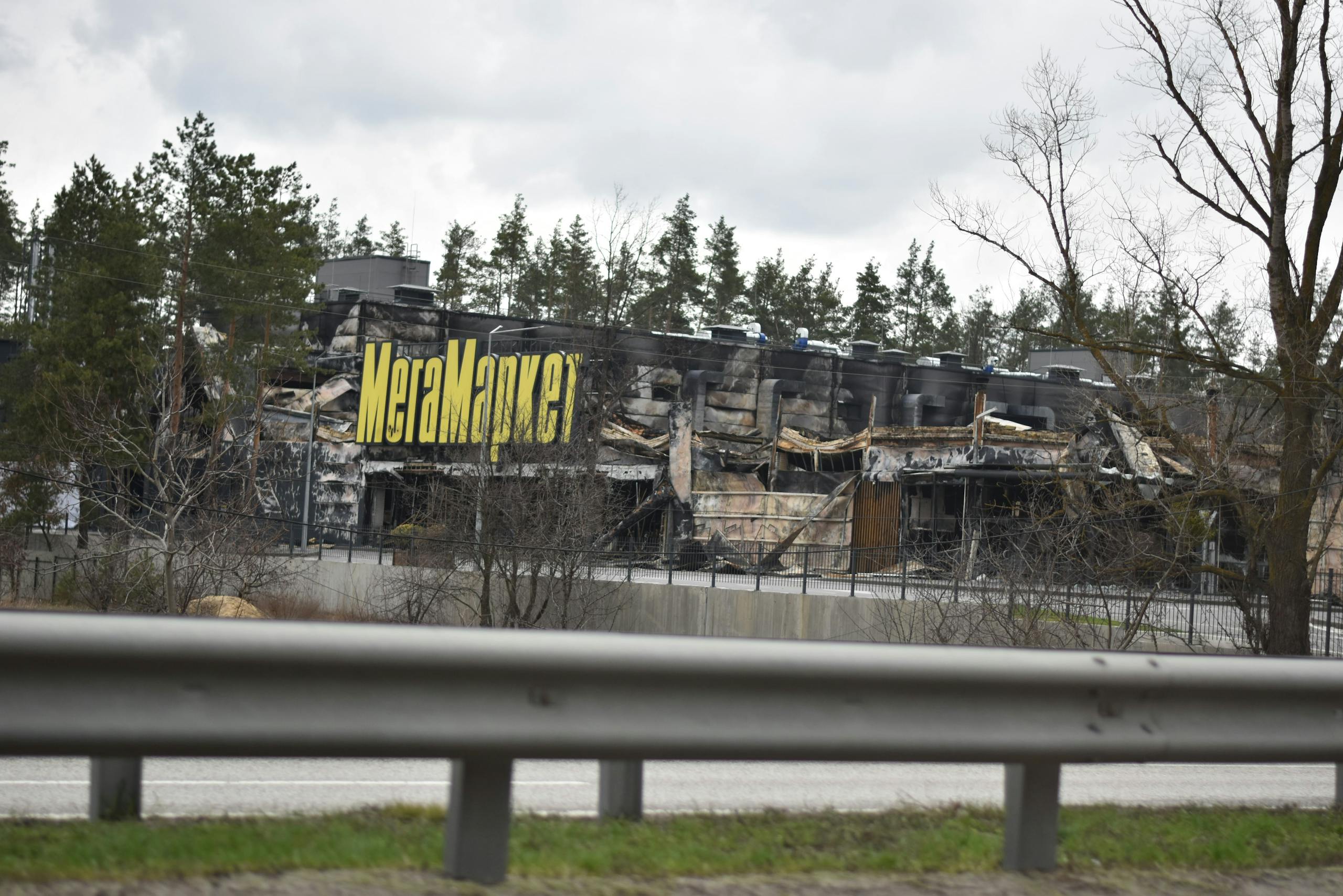
Iran vs Israel War: Origins, Escalation, Global Impact, and the Future of Middle East Power 2026
Introduction: Understanding the Iran vs Israel War Narrative
The phrase Iran vs Israel War has increasingly dominated global headlines, policy debates, and strategic discussions. While the two nations have not engaged in a traditional, full-scale war with declared battlefronts, their long-standing conflict has evolved into one of the most dangerous and complex rivalries in modern geopolitics. This confrontation combines ideology, military power, cyber warfare, proxy conflicts, intelligence operations, and nuclear tensions, making it far more than a regional dispute.
The Iran vs Israel War represents a struggle for influence, security, and ideological dominance in the Middle East. It involves not only Tehran and Tel Aviv but also a web of regional actors, global superpowers, and non-state militias. Understanding this conflict requires looking beyond headlines and examining its historical roots, strategic calculations, military dimensions, and potential future scenarios.
Historical Roots of the Iran vs Israel War
Early Relations Before Hostility
Before 1979, Iran and Israel maintained relatively cooperative relations. Under Iran’s monarchy, both nations shared concerns about Arab nationalism and Soviet influence. Israel viewed Iran as a non-Arab regional partner, while Iran benefited from Israeli expertise in agriculture, intelligence, and military affairs.
This pragmatic relationship collapsed after the Iranian Revolution of 1979, which fundamentally reshaped Iran’s political and ideological identity.
The Islamic Revolution and Ideological Break
The new Iranian leadership adopted a revolutionary Islamist ideology that framed Israel as an illegitimate state. Support for the Palestinian cause became a cornerstone of Iran’s foreign policy. From that point onward, the ideological foundation of the Iran vs Israel War was laid.
Iran began portraying Israel as a symbol of Western imperialism, while Israel increasingly saw Iran as an existential threat committed to its destruction.
Ideological Dimensions of the Iran vs Israel War
Iran’s Strategic Ideology
Iran’s leadership presents its opposition to Israel as both religious and political. This stance serves multiple purposes:
- Strengthening domestic legitimacy
- Expanding influence across the Muslim world
- Challenging U.S. dominance in the region
Iran frames its actions as resistance rather than aggression, arguing that Israel destabilizes the Middle East.
Israel’s Security Doctrine
Israel’s perspective on the Iran vs Israel War is rooted in survival. As a small nation surrounded by hostile actors, Israel maintains a doctrine of preemption and deterrence. Any perceived existential threat—especially nuclear—demands decisive action.
From Israel’s view, Iran’s rhetoric, missile development, and support for armed groups justify aggressive defensive measures.
Proxy Warfare: The Hidden Battlefield
Hezbollah and Lebanon
One of the most critical fronts in the Iran vs Israel War is Lebanon. Iran’s support for Hezbollah has transformed the group into a powerful military force capable of launching thousands of rockets into Israel.
Hezbollah serves as Iran’s primary deterrent against Israeli attacks on Iranian territory or nuclear facilities.
Gaza and Palestinian Militias
Iran provides financial and military assistance to Palestinian groups opposing Israel. Although ideological differences exist, shared opposition to Israel has created a strategic alliance.
This indirect confrontation allows Iran to pressure Israel without direct military engagement.
Syria: A Strategic Corridor
Syria has become a central arena in the Iran vs Israel War. Iran’s military presence and logistical networks there are viewed by Israel as unacceptable. In response, Israel has conducted hundreds of airstrikes targeting Iranian assets in Syria.
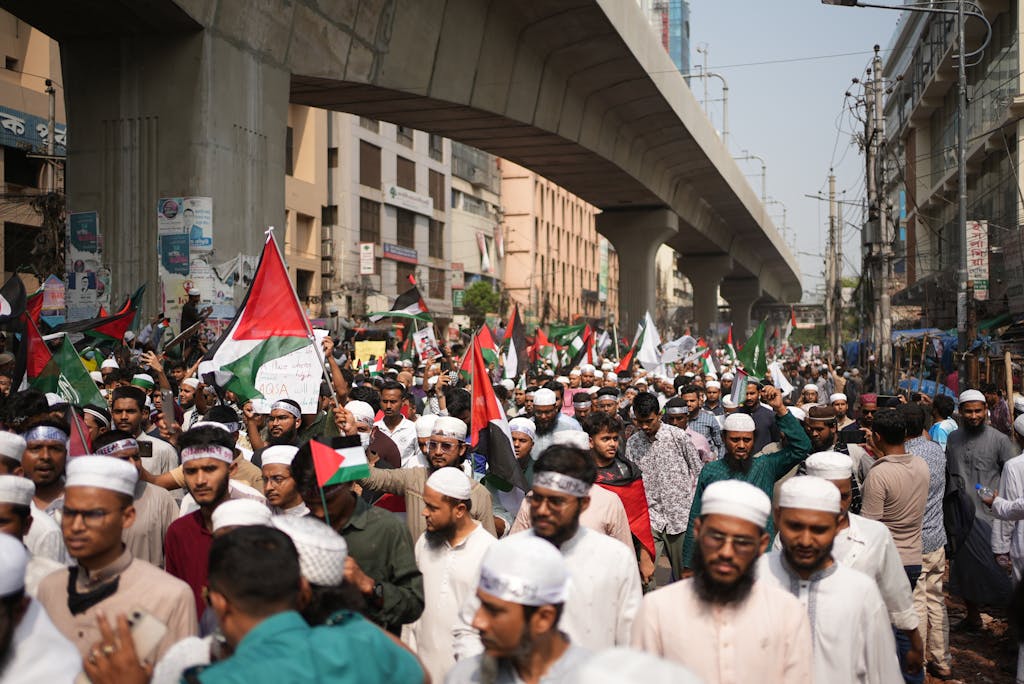
This shadow war has significantly increased the risk of escalation.
Military Capabilities and Strategic Balance
Iran’s Military Strength
Iran possesses one of the largest military forces in the Middle East. Its strengths include:
- Ballistic missile programs
- Drone warfare capabilities
- Naval forces capable of disrupting shipping lanes
- Cyber warfare units
Iran focuses on asymmetric warfare, allowing it to challenge technologically superior opponents.
Israel’s Military Advantage
Israel maintains a qualitative military edge, supported by advanced technology and intelligence capabilities. Key strengths include:
- Precision-guided munitions
- Advanced air force
- Missile defense systems
- Cyber and intelligence superiority
Israel’s strategy emphasizes rapid, decisive strikes to neutralize threats before they materialize.
The Nuclear Dimension of the Iran vs Israel War
Iran’s Nuclear Program
Iran insists its nuclear program is peaceful. However, Israel and many Western nations remain unconvinced. The possibility of Iran acquiring nuclear weapons is seen by Israel as a red line.
The nuclear issue has elevated the Iran vs Israel War from a regional conflict to a global security concern.
Israel’s Undeclared Nuclear Capability
Israel is widely believed to possess nuclear weapons, though it maintains a policy of ambiguity. This imbalance adds complexity to the conflict, as Iran argues that Israel’s nuclear monopoly destabilizes the region.
The nuclear dimension increases the stakes and limits diplomatic flexibility.
Cyber Warfare and Intelligence Operations
Digital Frontlines
The Iran vs Israel War has expanded into cyberspace. Both nations have reportedly engaged in cyberattacks targeting infrastructure, military systems, and economic assets.
Cyber warfare allows both sides to inflict damage while avoiding direct military confrontation.
Espionage and Covert Actions
Intelligence agencies play a central role in this conflict. Assassinations, sabotage, and covert operations have become hallmarks of the Iran vs Israel War, further blurring the line between peace and war.
Global Powers and Their Influence
United States
The U.S. is Israel’s strongest ally and a key opponent of Iran’s regional ambitions. American sanctions and military presence significantly shape the conflict’s dynamics.
Washington seeks to deter Iran while preventing a regional war that could destabilize global markets.
Russia and China
Russia and China maintain complex relationships with Iran, driven by strategic and economic interests. Their involvement adds a multipolar dimension to the Iran vs Israel War, limiting Western influence and complicating diplomatic efforts.

Economic and Human Costs
Sanctions and Economic Pressure
Iran has faced extensive economic sanctions linked to its role in regional conflicts. These sanctions have severely impacted Iran’s economy and civilian population.
Israel, while economically stronger, also bears significant defense costs due to ongoing security threats.
Civilian Impact
Proxy conflicts associated with the Iran vs Israel War have caused immense suffering, particularly in Gaza, Lebanon, and Syria. Civilians often bear the brunt of military escalation, displacement, and infrastructure damage.
Media, Narratives, and Information Warfare
The Iran vs Israel War is also fought through narratives. Media outlets, social platforms, and diplomatic messaging shape global perception.
Both sides invest heavily in information campaigns to justify their actions and gain international support.
Risk of Escalation into Direct War
Triggers for Direct Conflict
Several scenarios could transform the Iran vs Israel War into an open confrontation:
- An Israeli strike on Iranian nuclear facilities
- A major Hezbollah attack on Israel
- Direct Iranian military action against Israeli territory
Any of these could rapidly escalate into a regional war.
Deterrence and Restraint
Despite intense hostility, both nations have shown restraint, recognizing the catastrophic consequences of full-scale war. Deterrence has so far prevented direct confrontation, but the margin for error remains dangerously thin.
Future Scenarios of the Iran vs Israel War
Continued Shadow War
The most likely scenario is the continuation of indirect conflict through proxies, cyber operations, and limited strikes.
Diplomatic De-escalation
Though difficult, diplomatic efforts could reduce tensions, particularly if linked to broader regional agreements and nuclear negotiations.
Regional War
The worst-case scenario involves widespread conflict drawing in multiple states and disrupting global energy supplies.
Conclusion: Why the Iran vs Israel War Matters
The Iran vs Israel War is one of the most consequential geopolitical rivalries of the 21st century. It combines ideology, military power, technology, and global politics in a volatile mix that affects far more than the Middle East.
Understanding this conflict is essential for policymakers, analysts, and citizens alike. Its outcomes will shape regional stability, global security, and the future balance of power for decades to come. While full-scale war has been avoided so far, the persistent tension ensures that the Iran vs Israel War will remain a defining issue in international affairs.
25 Frequently Asked Questions about the Iran-Israel War (2025)
- When did the Iran-Israel War of 2025 occur?
The war, also known as the Twelve-Day War, lasted from June 13 to June 24, 2025. - What started the war?
Israel launched a surprise airstrike campaign, called Operation Rising Lion, targeting Iranian nuclear facilities, military sites, ballistic missile infrastructure, and assassinating key military leaders and nuclear scientists. - Why did Israel initiate the attack?
Israel viewed Iran’s advancing nuclear program as an existential threat, citing IAEA reports that Iran had enough enriched uranium for multiple nuclear warheads and was accelerating enrichment after failed diplomatic negotiations. - How did Iran respond?
Iran retaliated with multiple waves of ballistic missiles and drones targeting Israeli cities, military sites, and infrastructure, though most were intercepted by Israeli and allied defenses. - Did the United States get involved militarily?
Yes, on June 22, the US conducted strikes on deeply buried Iranian nuclear sites (including Fordow) using bunker-buster bombs, which Israel could not fully destroy alone. - How did the war end?
A ceasefire was announced on June 24, 2025, brokered under US pressure, after 12 days of fighting. - What were the casualties on the Iranian side?
Estimates range from 1,060 to 1,190 killed (including civilians, military personnel, and unidentified), with thousands wounded and displaced. - What were the casualties on the Israeli side?
Around 32-33 people killed (mostly civilians) and over 3,000 wounded. - Was Iran’s nuclear program destroyed?
The strikes severely damaged or destroyed key enrichment facilities (Natanz, Fordow, Isfahan), centrifuges, and killed many nuclear scientists, setting the program back significantly—potentially by years—though some enriched uranium stockpiles may remain. - Did Iran launch nuclear weapons?
No, Iran does not have operational nuclear weapons, and none were used in the conflict. - What role did Iran’s proxies (like Hezbollah or Houthis) play?
Proxy involvement was limited compared to previous conflicts; Iran focused on direct missile retaliation rather than fully activating its Axis of Resistance. - How effective were Iran’s missile attacks?
Iran launched hundreds of ballistic missiles and over 1,000 drones, but Israeli air defenses (with US assistance) intercepted 80-90% of missiles and nearly all drones, limiting damage. - Did the war involve cyber attacks?
Yes, Israel-linked groups conducted cyber operations, including hacking Iranian banks and cryptocurrency exchanges. - What was the impact on Iran’s air defenses?
Israeli strikes destroyed much of Iran’s S-300 systems and other air defenses, exposing vulnerabilities. - Were there assassinations during the war?
Israel killed top IRGC commanders (e.g., Hossein Salami) and nuclear scientists; Iran claimed (but later retracted) downing Israeli jets. - How did the international community respond?
The US supported Israel militarily; G7 affirmed Israel’s right to self-defense; some countries condemned the strikes, while others expressed concern over escalation. - What is the current status as of December 2025?
A ceasefire holds, but tensions remain high with no formal peace agreement. - Is Iran rebuilding its nuclear program?
Reports indicate limited rebuilding, but priority has shifted to ballistic missiles; enrichment is reportedly paused at key sites. - How has Iran responded post-war?
Iran is rapidly rebuilding ballistic missile production facilities and stockpiles, aiming to restore deterrence. - What are Israel’s concerns now?
Israel worries Iran could soon have enough missiles to overwhelm defenses and is considering further strikes on missile sites. - Did the war lead to regime change in Iran?
No, though it caused internal turmoil, arrests of alleged spies, and leadership reshuffles; the regime remains in power. - What economic impacts occurred?
Strikes on energy infrastructure contributed to Iran’s energy crisis; global oil prices fluctuated due to regional instability fears. - Were civilians targeted?
Both sides condemned civilian deaths; Iranian missiles hit residential areas in Israel, while Israeli strikes caused civilian casualties in Iran. - Is another war likely?
Tensions persist over Iran’s missile rebuild and potential Hezbollah actions; Israeli officials warn of possible future operations. - What lessons were learned from the war?
It highlighted Israel’s air superiority, the effectiveness of layered defenses against missiles, vulnerabilities in Iran’s programs, and the risks of direct escalation in the long-standing shadow conflict.
ALSO READ MORE china intellectual property news today 2025